International Teachers, Student Growth, and Academic Achievement: What the Research Found
An independent 2026 study by UNC-Chapel Hill’s Education Policy Initiative at Carolina (EPIC)

A study from the Education Policy Initiative at Carolina (EPIC) examined K–5 student growth and academic outcomes in four North Carolina school districts partnering with Participate Learning.
Participate Learning Ambassador Teachers are experienced international educators who teach in U.S. schools through the U.S. Department of State’s BridgeUSA Teacher Program for up to five years before they return to their home country. Students taught by Ambassador Teachers scored higher in early literacy, math, and reading than comparable students taught by other teachers.
The findings also became stronger as Ambassador Teachers gained experience teaching in North Carolina.
What the research found
Researchers compared students’ end-of-year results after accounting for where they started academically, providing a measure of student growth.
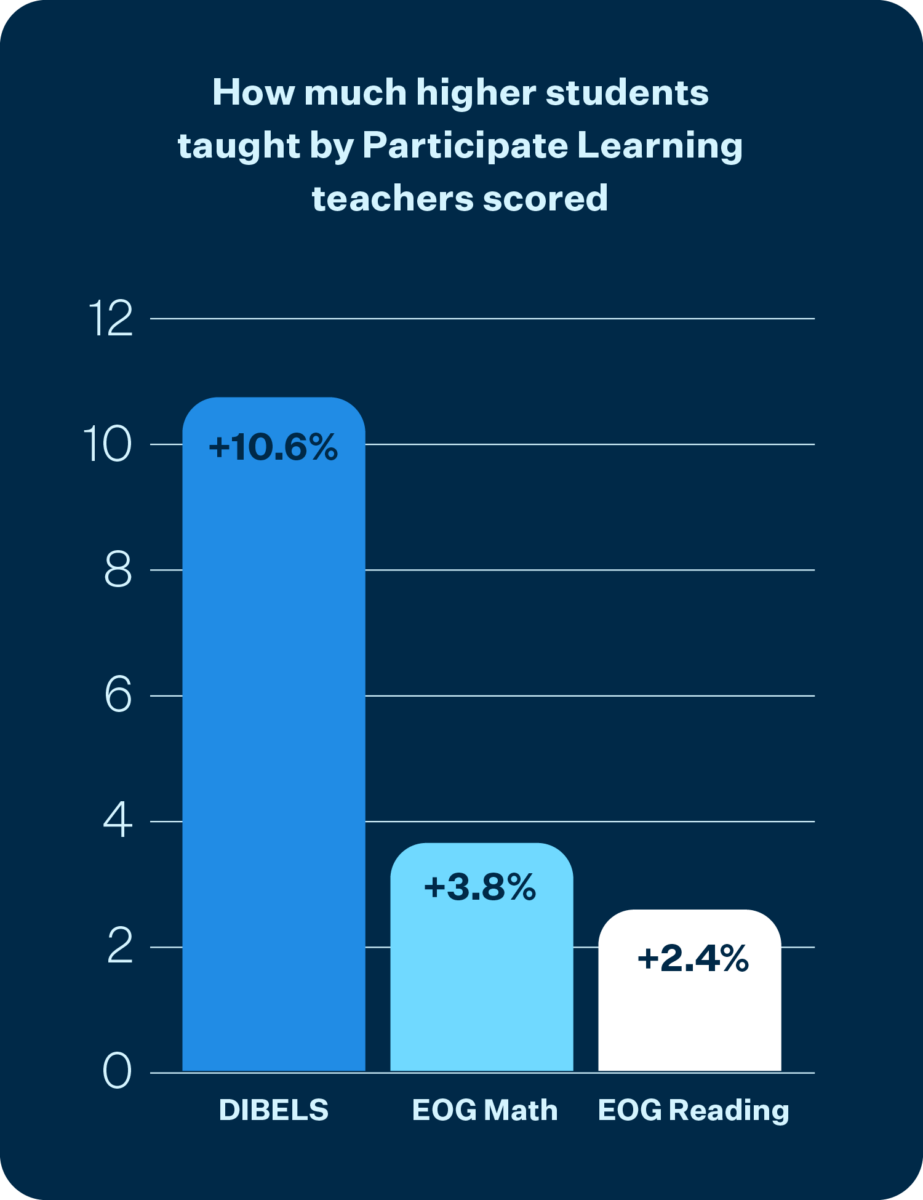
+10.6%
of a standard deviation
Early Reading (DIBELS, K–3)
The largest difference found in the study.
+3.8%
of a standard deviation
EOG Math (grades 4–5)
About the same size as the difference researchers typically see between a first-year and second-year teacher.
+2.4%
of a standard deviation
EOG Reading (grades 4–5)
The overall reading result was positive, with stronger results emerging as Ambassador Teachers gained experience in North Carolina.
What do these numbers mean?
The differences are expressed in “standard deviations,” a common yardstick researchers use to compare results across different assessments. In education research, differences of a few hundredths of a standard deviation can be meaningful, particularly when they appear across large numbers of students and classrooms.
Results grew stronger as Ambassador Teachers gained experience
Positive early literacy results appeared beginning in Ambassador Teachers’ first year in North Carolina.
In math and reading, Ambassador Teachers initially had results comparable to other teachers. By year three, results were positive and statistically significant.
For reading, the results for Ambassador Teachers with three or more years of experience in North Carolina were more than double the overall reading result.
Similar positive findings across student groups
Researchers also examined outcomes for economically disadvantaged students, multilingual learners, and students receiving special education services. Results for these groups were generally similar to the overall findings.
That context is important because 53% of students taught by Ambassador Teachers in the study were economically disadvantaged, compared with 40% of students taught by other teachers.

About the research
EPIC researchers analyzed data from the 2021–22 through 2024–25 school years across four North Carolina districts. The achievement analyses included 383 Ambassador Teachers for DIBELS, 230 for math, and 210 for reading. The study identified differences in student outcomes after accounting for student, teacher, and school characteristics.
What this research says about hiring international teachers
When districts can’t find enough qualified teachers locally, they may rely on substitutes or alternative licensure pathways. Participate Learning offers another option: expanding the search to experienced international teachers who have been carefully vetted for their teaching skills and readiness for U.S. classrooms. This research shows what happens once they’re here.
Experienced international teachers can deliver strong student outcomes in U.S. classrooms.
Ambassador Teachers arrive with an average of eight or more years of teaching experience. Across all three assessments studied, their students had higher adjusted average achievement than comparable students taught by other teachers.

Being new to the U.S. education system doesn’t mean being less effective in the classroom.
Positive early literacy results appeared in Ambassador Teachers’ first year in North Carolina. In math and reading, results were initially comparable and became stronger by year three.

Considering international teachers for your district?
Participate Learning has helped schools hire experienced international educators since 1987. Only about 3% of applicants are accepted into the Ambassador Teacher program.
Before a school ever interviews a candidate, Participate Learning screens applicants for teaching experience, subject knowledge, English proficiency, and readiness to teach in a U.S. classroom.
Once a school makes a hire, we manage the J-1 visa process and ongoing licensure eligibility and help teachers with relocation, orientation, and the transition to living and teaching in the U.S. for up to five years.
Hear from districts working with Ambassador Teachers
Participate Learning’s Ambassador Teacher network includes 700+ partner schools across 80+ districts. Hear directly from district leaders about why they hire international teachers and the role Ambassador Teachers play in their schools.
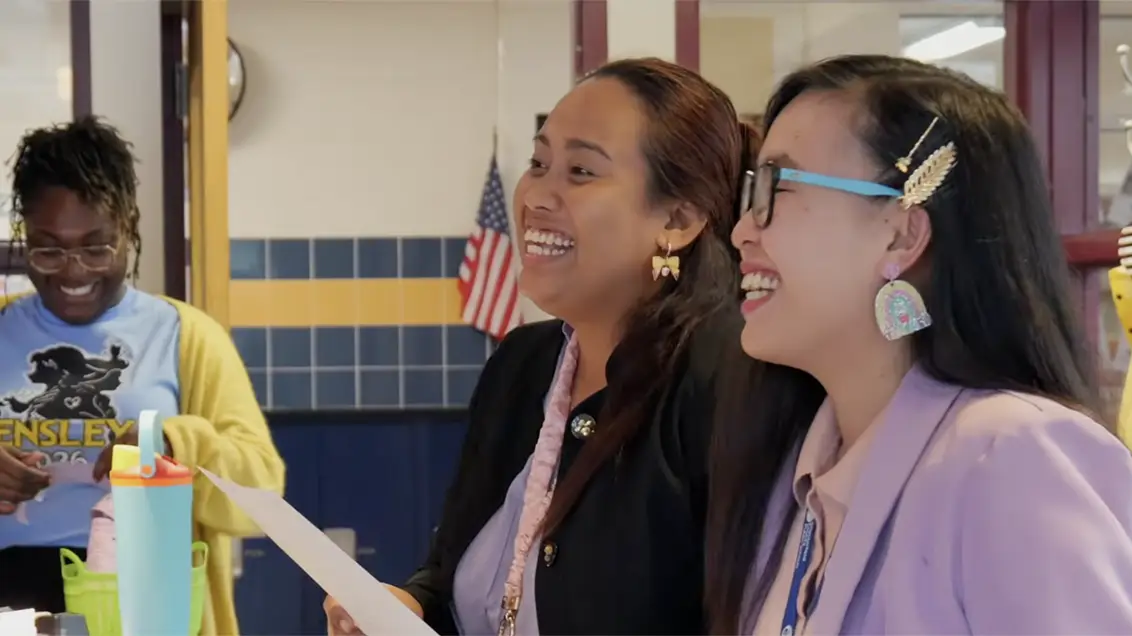
Why School Districts Hire International Teachers.
Chesterfield County Public Schools
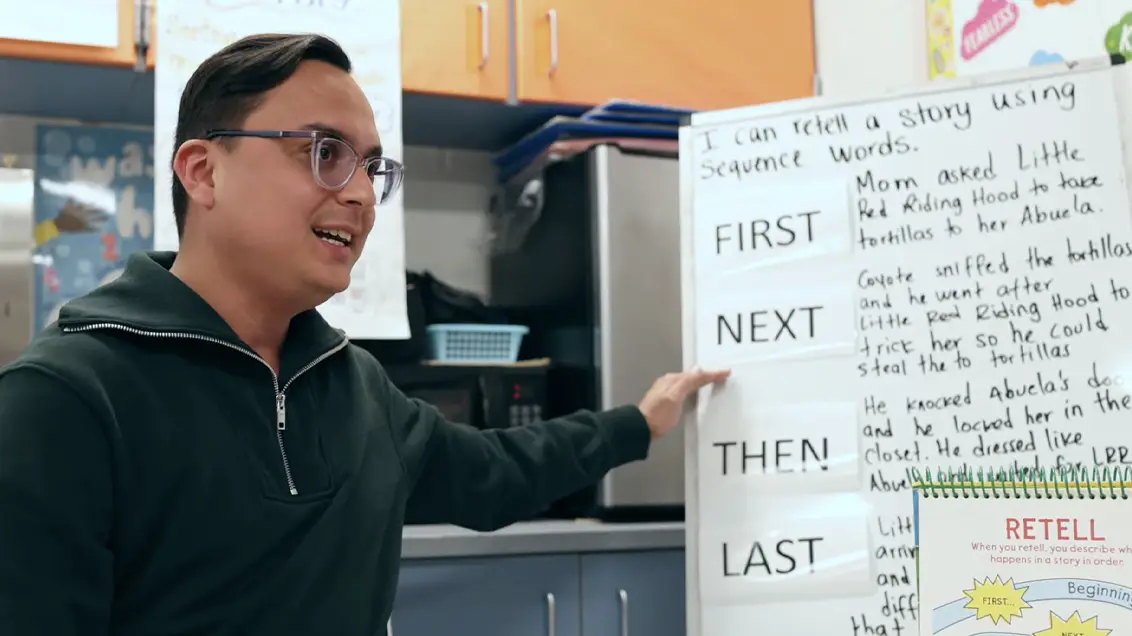
Beyond Recruitment: How International Teachers Become Leaders
Prince William County Public Schools
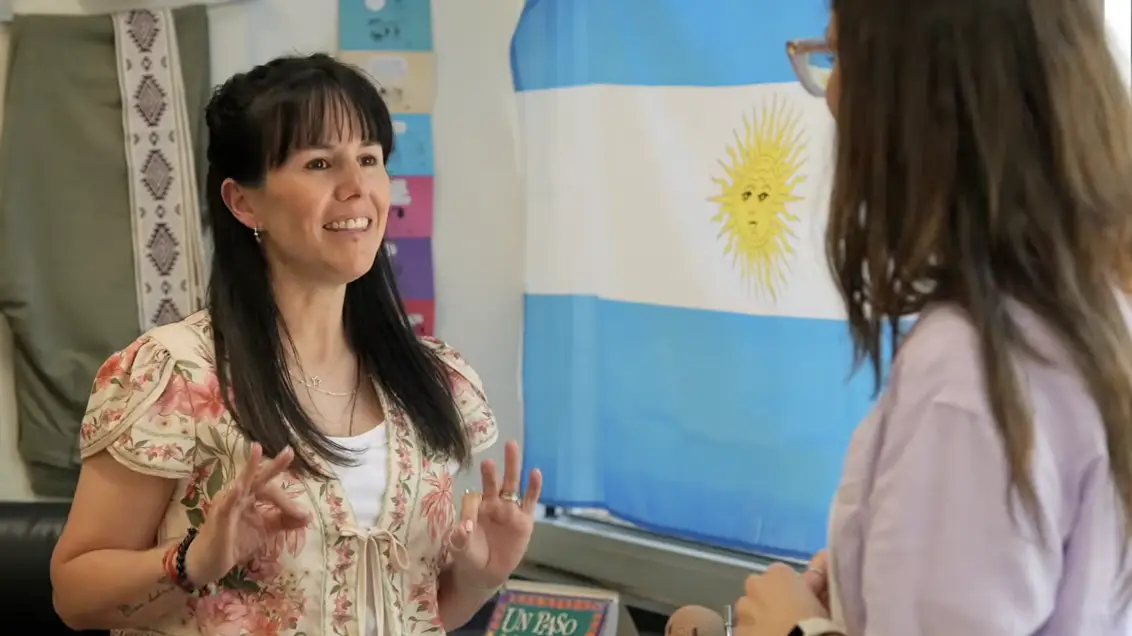
How Districts Find Qualified Teachers for Critical Positions
Prince William County Public Schools
Ready to learn more?
See how Participate Learning helps districts find experienced international teachers and supports them throughout their time teaching in U.S. schools.