Expanding
Rural Opportunity
and Accelerating
Achievement
A Participate Learning White Paper
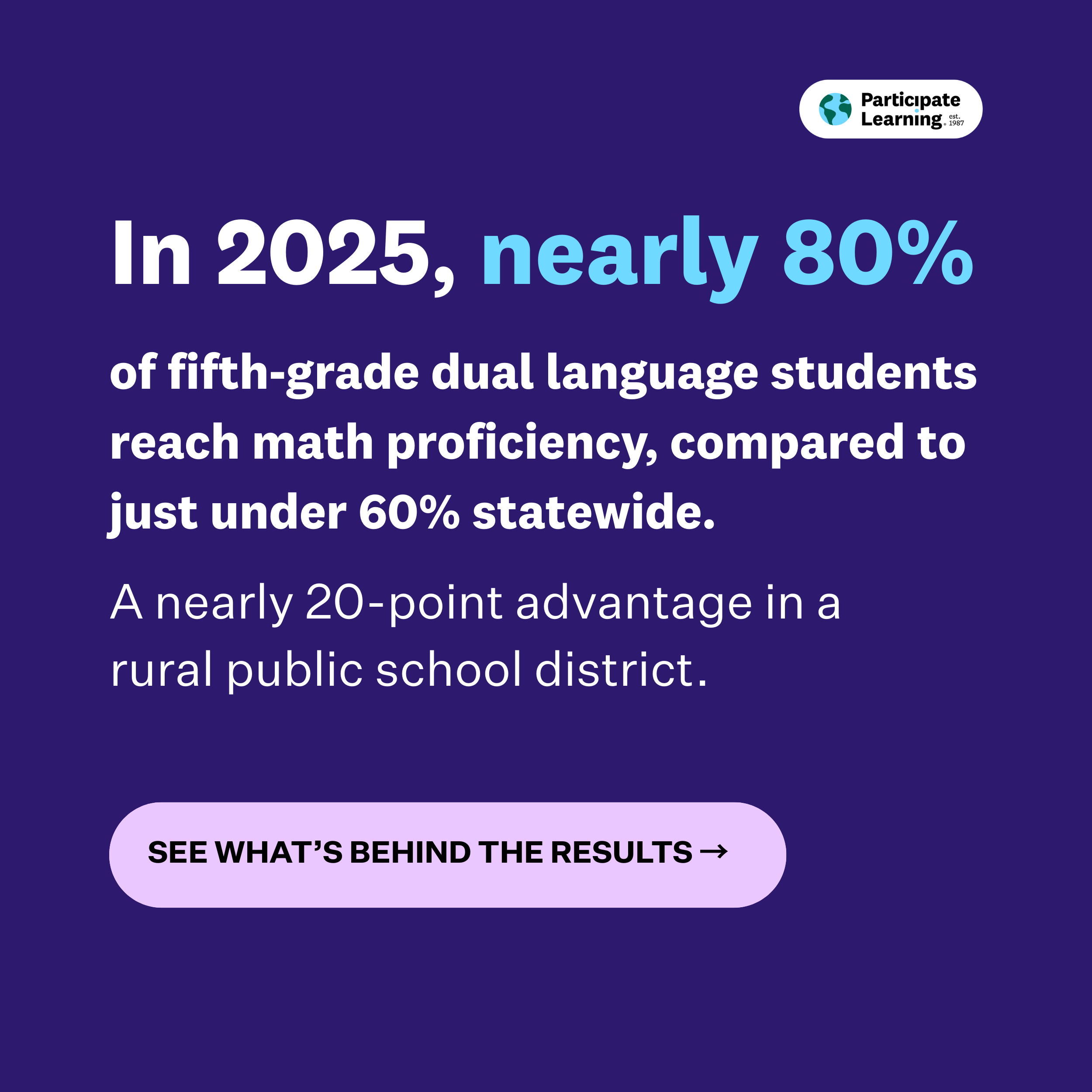
A rural district is outperforming state averages in math. Here’s what’s driving it.
New research from Rockingham County Schools in North Carolina shows how dual language education and daily cultural exchange are strengthening academic outcomes and preparing career-ready graduates.
Three key factors behind Rockingham County Schools’ results:
- A sustained dual language immersion model
- Daily cultural exchange embedded in instruction
- Leadership alignment around long-term academic outcomes
Key findings from Rockingham County Schools
- In 2025, dual language students outperformed the district and state proficiency averages in math and reading by nearly 20%.
- Daily cultural exchange strengthens communication, confidence, and cross-cultural collaboration for students.
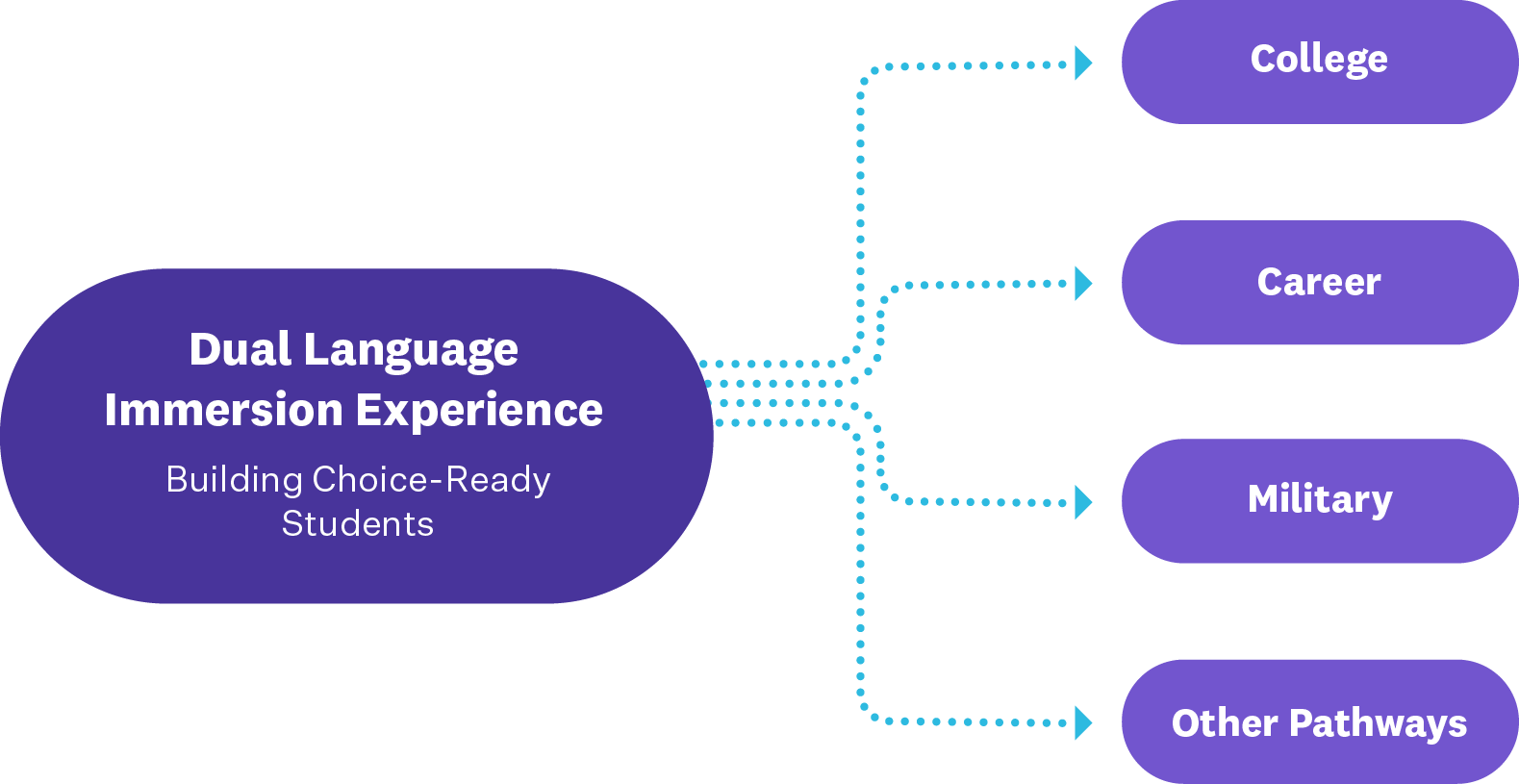
- Dual language education supports the district’s Choice Ready strategy by preparing students for college, career, and life.

Does dual language education improve academic outcomes in rural schools?
Yes. In Rockingham County Schools, students enrolled in dual language programs consistently outperform district and state averages in math and reading. Bilingual instruction, combined with cultural exchange, supports stronger academic performance, communication skills, and career-ready competencies.
Download the full white paper
Explore the complete findings and the district strategy behind the results.
Fill out the form to access your copy.