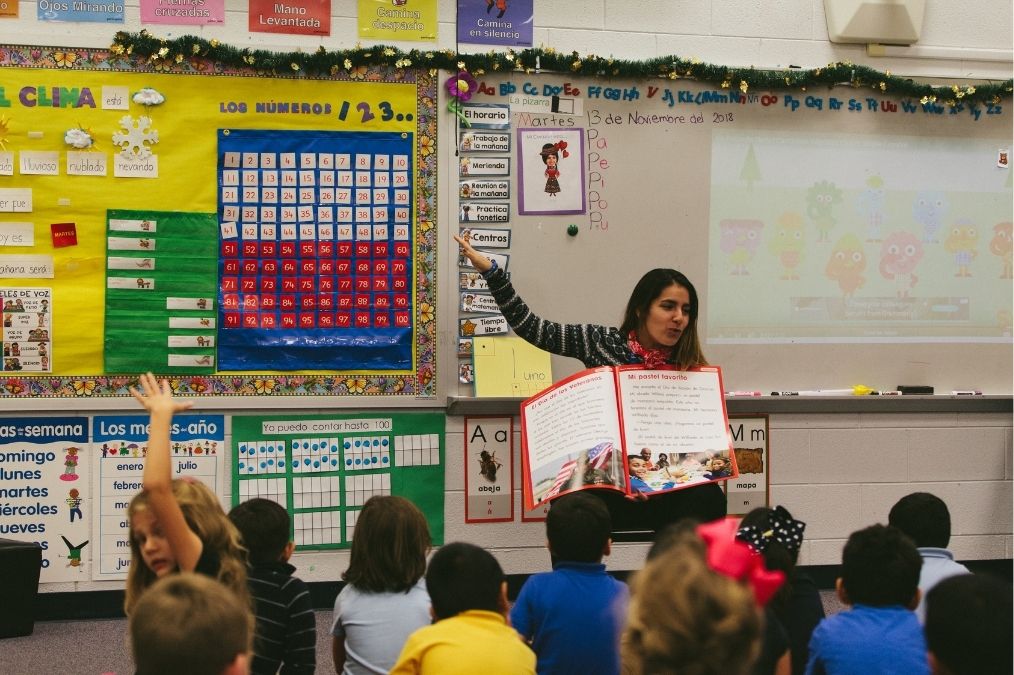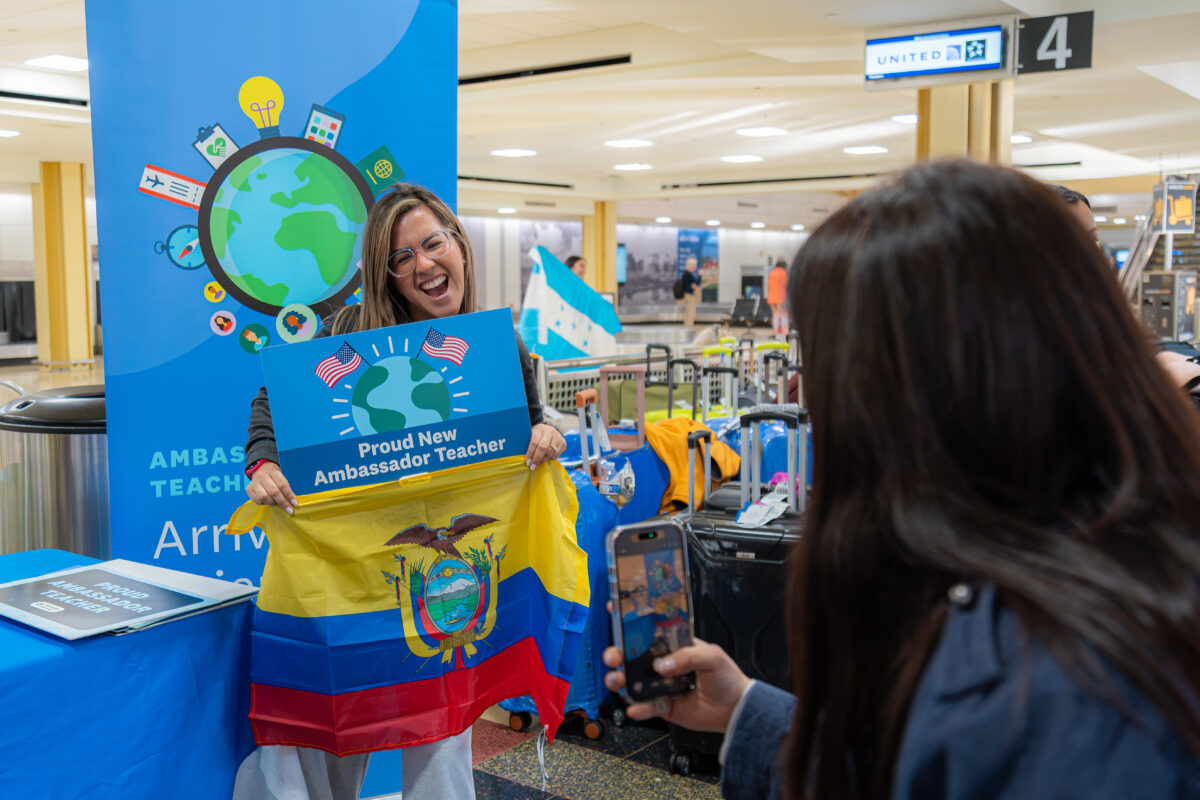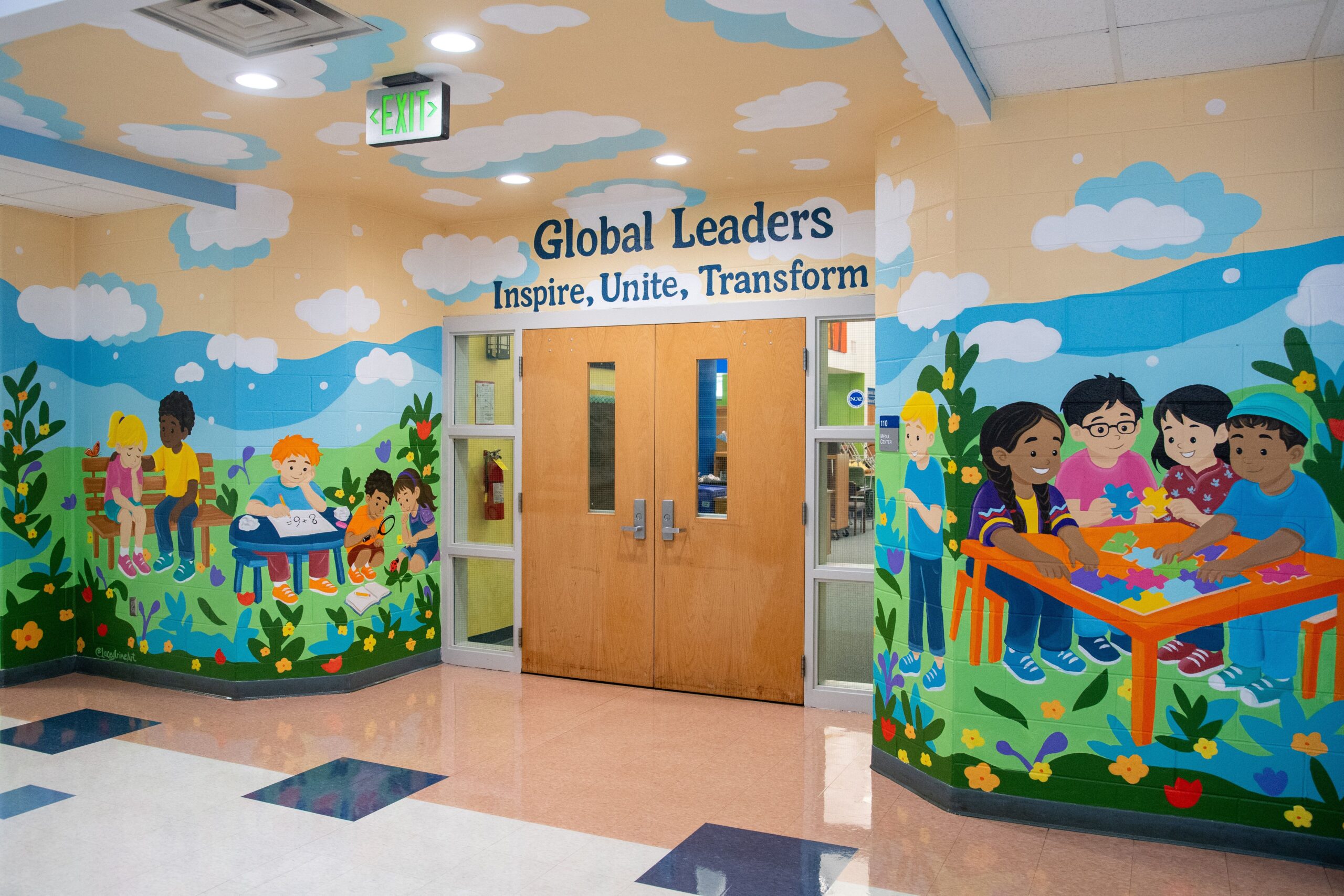
In North Carolina’s Global Leaders schools, kindergarteners build solar ovens, middle school students help eliminate single-use breakfast bags, and high school students turn survey data into peer lessons. Now, the state is recognizing the whole-school work that makes experiences like these possible.
Eighteen Global Leaders schools have received Global Ready Schools recognition from the North Carolina Department of Public Instruction (NCDPI) for their work to make global learning and real-world application part of students’ experiences across classrooms and grade levels.
Four schools earned NCDPI’s highest designation, Model Global Ready School:
- West Oxford Elementary, Granville County Public Schools
- Belvoir Elementary, Pitt County Schools
- Fred L. Wilson Elementary, Kannapolis City Schools
- Jackson Park Elementary, Kannapolis City Schools
Fourteen schools received the Prepared Global Ready School designation:
- Alexander Wilson Elementary, Eastlawn Elementary, and Elon Elementary, Alamance-Burlington School System
- Elmhurst Elementary and Pactolus Global School, Pitt County Schools
- Wilkes Early College High School, Wilkes County Schools
- Heritage Middle School, Burke County Schools
- International School at Gregory, New Hanover County Schools
- Ashe Early College High School, Ashe County Schools
- Efland-Cheeks Global Elementary, Orange County Schools
- Grandview Middle School, Hickory City Schools
- JC Sawyer Elementary School, Elizabeth City-Pasquotank Public Schools
- Madison Early College High School, Madison County Schools
- Stanfield Elementary, Stanly County Schools
The recognitions follow a new alignment between NCDPI and Participate Learning. Global Leaders schools that earn Participate Learning’s Accomplished or Showcase designation now have a direct path to the corresponding state designation, recognizing work their educators and students are already doing.
For these 18 schools, the learning experiences teachers and students have been building together over time are now being recognized at the state level.
What do the Global Ready designations recognize?
Global Leaders is a whole-school framework that helps schools make global learning part of students’ experience across classrooms and grade levels. Its school designations mark progress toward that goal.
As schools advance through the designation levels, more educators and students engage deeply in action-driven learning, an approach that connects academic standards to real-world challenges and gives students opportunities to use what they are learning to take meaningful action.
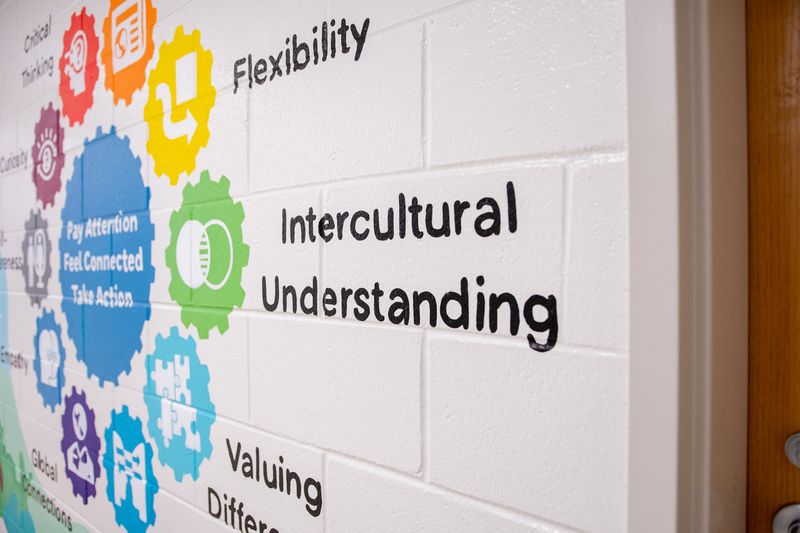
Students might investigate an issue in their school or community, explore how it connects to a larger challenge, consider different perspectives, and determine what they can do with what they have learned. The academics remain at the center. Students apply reading, writing, math, science, social studies, and other content while also practicing skills such as communication, collaboration, critical thinking, adaptability, and problem-solving.
The designations recognize not a single project or event, but the work schools are doing to make these kinds of learning experiences a regular part of what students do.
What can action-driven learning look like across grade levels?
At Elmhurst Elementary, it starts in kindergarten. Students exploring sustainability have built solar ovens and wind vanes, giving even the school’s youngest learners opportunities to investigate real-world ideas and begin taking ownership of their learning.
At West Oxford Elementary, students took that kind of learning further into their community through a sustainable agriculture project. They helped create a community garden, distributed fresh produce locally, and explored agriculture, sustainability, and food security. A partnership with Nestlé also helped students connect the issue of hunger in their own community to the larger challenge of food insecurity.
The challenge was age-appropriate, but the habits can grow with students: noticing what is happening around them, asking questions, solving problems together, and recognizing that what they learn can make a difference.
By middle school, students can take on much more complex questions.
At Heritage Middle School, eighth graders noticed just how much single-use plastic was coming out of their school’s breakfast program. One homeroom collected 22 bags at the outset, and by the next day, the entire grade was involved.
What began with an observation became academic work across subjects. In science, students examined the environmental impact of plastic waste. In social studies, they researched sustainable solutions. In English, they worked on communicating what they were learning.
The work extended beyond the classroom, too. Students partnered with a local recycling company and a national manufacturing partner to turn the plastic bags into outdoor lumber.
Then they asked a harder question: rather than continuing to recycle all those bags, did the school need to use them at all?
Their work helped Heritage eliminate single-use zipper bags from its breakfast program altogether, reducing waste and saving cafeteria funds. Students also wrote to North Carolina’s governor about their work, with the letter delivered on the state’s Global Engagement Day.
By the time students reach high school, they can take even greater ownership of the questions they investigate and what they do with what they learn.
Students at Madison, Ashe, and Wilkes early colleges have connected academic standards to issues ranging from food insecurity to career and financial decisions to student stress and time management. At Wilkes Early College, for example, Math 4 Honors students investigated student stress and social media use by designing a schoolwide survey and analyzing the results using the statistics standards they were already expected to master. They then used what they found to develop peer lessons and bring their findings to school leaders.
The examples look very different from kindergarten to early college, and they should. As students grow, so can the complexity of the questions they investigate, the people they work with, the decisions they make, and the actions they take.
Along the way, they are practicing many of the same durable skills identified in North Carolina’s Portrait of a Graduate, including communication, collaboration, critical thinking, adaptability, empathy, and personal responsibility. The goal is not simply for students to know these skills matter, but to have regular opportunities to use them alongside their academic learning.
Career-ready skills grow through repeated practice
When we talk about preparing students for careers, skills such as communication, collaboration, critical thinking, adaptability, and problem-solving come up again and again. Students can be told that those skills will matter someday, but understanding their importance is different from having regular opportunities to use them while working through something real.
Students don’t build workforce skills by hearing about them. They build them by using them.
Global Leaders gives students regular opportunities to practice these skills while they’re still in school.
A kindergartener might notice a problem, discuss possible solutions with classmates, and choose an action. Years later, that student might analyze evidence, weigh perspectives, communicate with community partners, and develop a response to a more complex challenge. Repeated practice turns career readiness from a list of valued skills into part of students’ academic experience.
Whole-school support helps the practice spread
The individual examples are exciting, but the larger story behind these recognitions is what happens when experiences like these become part of the way a school approaches learning.
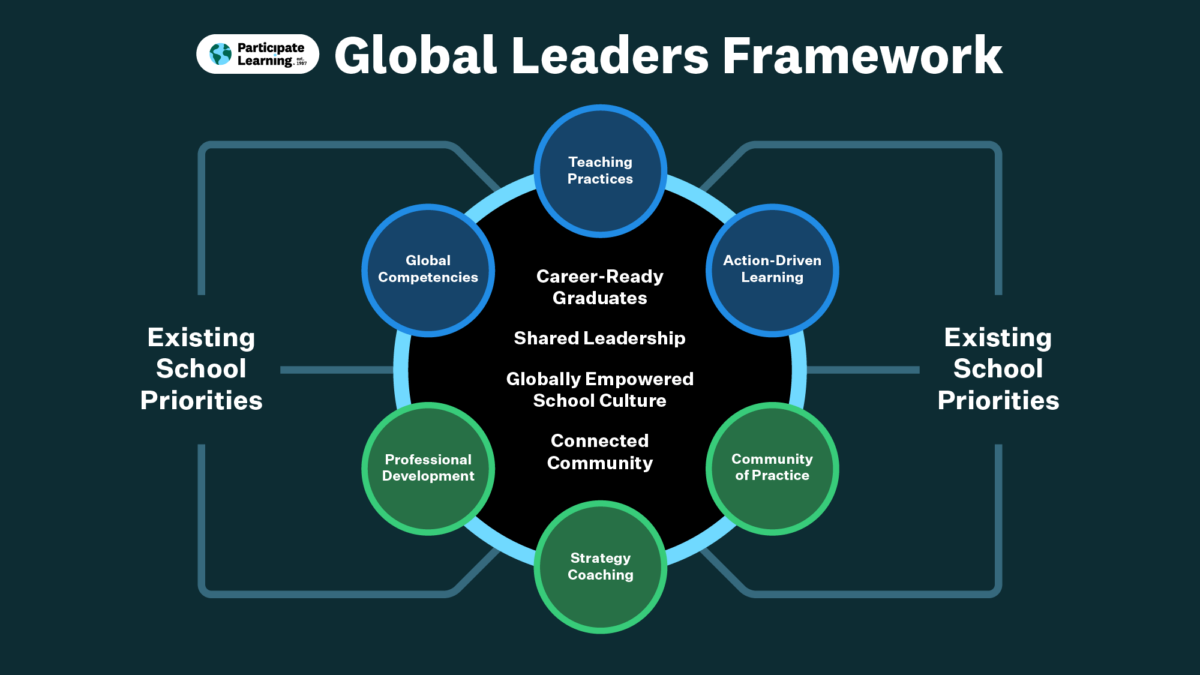
Global Leaders provides a shared framework, professional learning, ongoing coaching, and tools that help educators connect academic standards to real-world challenges and create opportunities for students to take meaningful action. As schools progress through the Global Leaders designations, that work reaches more classrooms, subjects, and grade levels.
A student can encounter this kind of learning again and again: not the same project or the same issue, but the same expectation that what they learn is something they can use.
Teachers find meaningful connections within the curriculum, design opportunities for students to investigate questions, connect students with people and organizations beyond the classroom, and help students recognize the skills they are developing along the way.
School leaders and Global Committees help create the conditions for those practices to spread across the school, so they are not dependent on one classroom or one teacher.
And students bring the work to life. They ask questions, make connections, work through disagreements and setbacks, communicate what they discover, and decide what they can do with what they have learned.
A recognition worth celebrating
That is why we are so excited to celebrate these 18 schools.
Their NCDPI designations recognize the work of teachers, students, school leaders, and district teams to make global learning, real-world application, and student action part of the academic experience.
We are proud to see that work recognized at the state level, and grateful for our partnership with NCDPI and our shared commitment to creating meaningful learning experiences for North Carolina students.
Most of all, congratulations to all 18 schools.
This recognition belongs to the educators who create these opportunities and the students who bring their curiosity, ideas, and energy to them every day. We can’t wait to see what they investigate, create, solve, and change next.
More about Global Leaders
Participate Learning’s Global Leaders is a whole-school framework that helps schools connect academic learning to real-world challenges and create regular opportunities for students to practice Portrait and career-ready competencies across classrooms and grade levels.
Participate Learning supports schools in putting the framework into practice through:
Professional learning
Teachers build a shared understanding of how to connect academic standards, competencies, and real-world learning across subjects and grade levels.
Ongoing coaching
School teams work with a dedicated Global Leaders coach to expand the approach across the school, develop teacher leadership, and deepen the work over time.
Tools for real-world learning
Teachers have a shared process and resources for designing standards-aligned experiences in which students investigate real issues and take meaningful action.