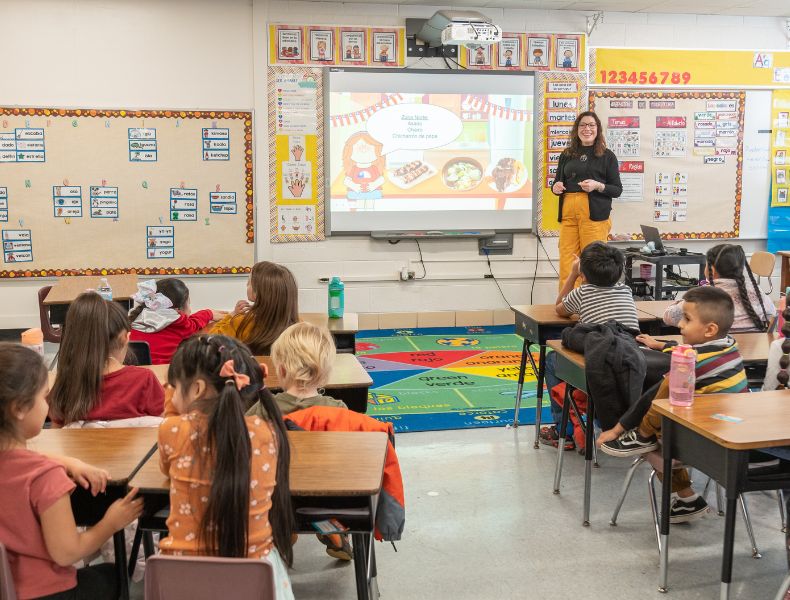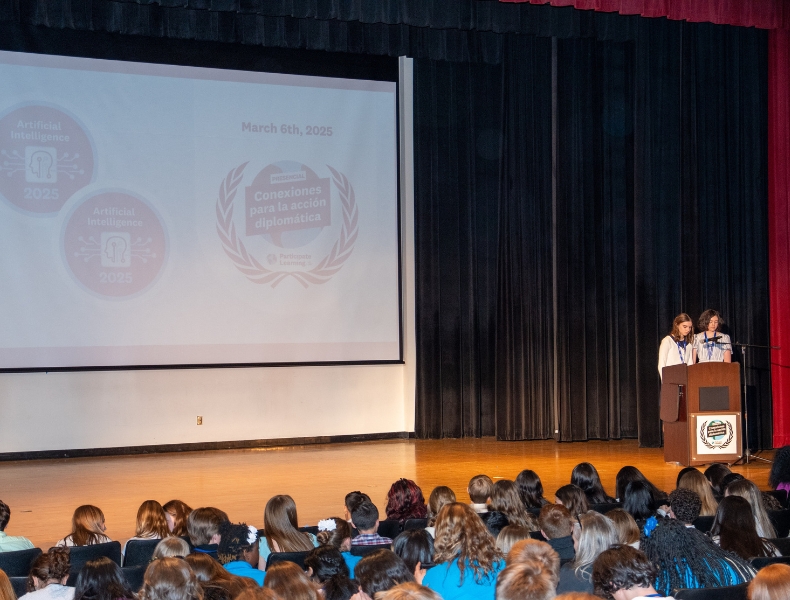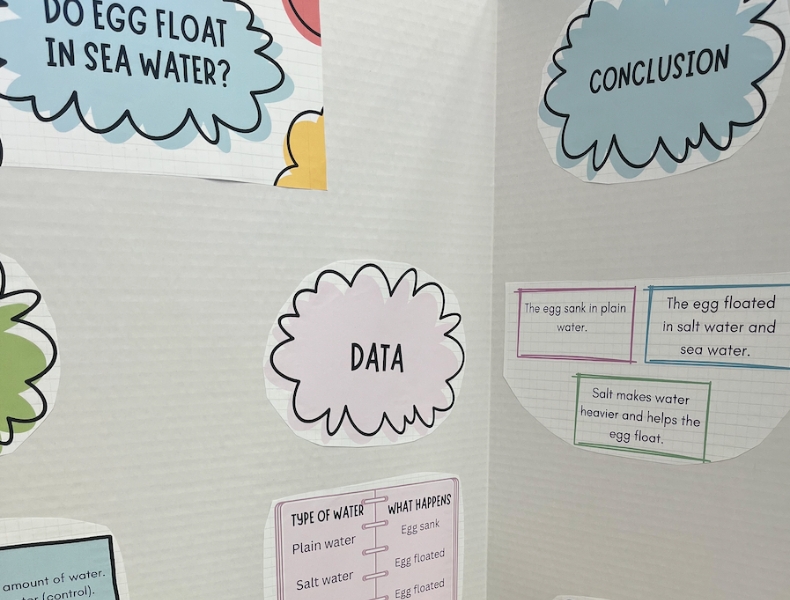
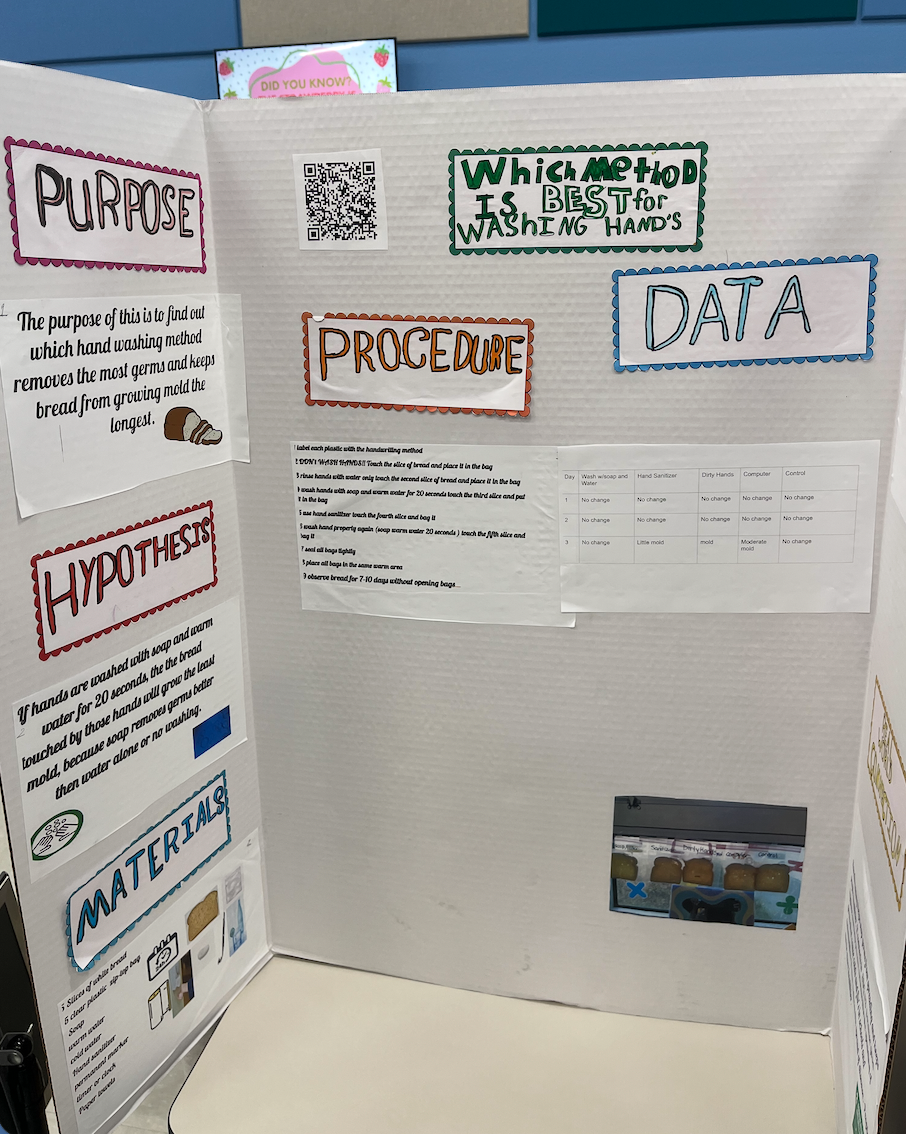
When families walked into Melaleuca Elementary’s Science Expo in Palm Beach County, Florida, they saw what looked like a traditional elementary science fair: tri-fold poster boards covered in data charts, students explaining hypotheses, and even a lemon battery powered by zinc, copper, and lemon juice.
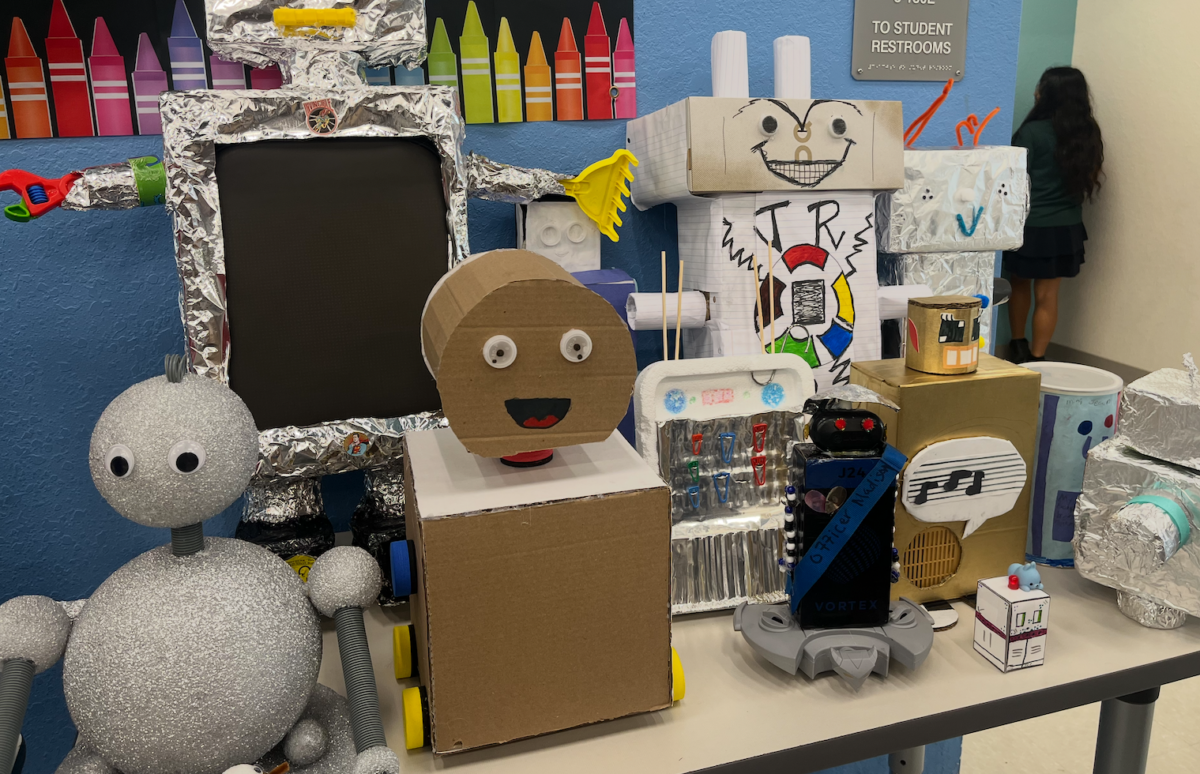
What they were witnessing, however, was more than a showcase of experiments. Students were also practicing career-ready skills in real time as they explained their reasoning to an audience, responded to questions, analyzed evidence, revised conclusions, and presented their work with clarity and confidence.
Melaleuca’s Science Expo demonstrates a critical point for school and district leaders: Career readiness in elementary school does not require a separate program. Instead, it can grow directly from strong, standards-based instruction when students are given opportunities to apply their learning to real-world situations. In Global Leaders schools, this approach helps students build transferable skills—what we call global competencies—while also deepening academic rigor.
Connecting Global Competencies to Career Readiness
Across industries, employers consistently emphasize transferable skills such as critical thinking, collaboration, adaptability, problem-solving, and communication, alongside technical expertise. These capacities enable individuals to navigate complexity, work across differences, and respond effectively to change.
At Participate Learning, we refer to these transferable workforce skills as global competencies. They include the ability to:
- Apply academic knowledge to real-world challenges
- Consider multiple perspectives
- Communicate ideas clearly
- Take informed action
Here, “global” does not mean international travel; it means preparing students to navigate an interconnected, complex world, at home or beyond.
When schools intentionally develop global competencies, they are building the foundation for long-term career readiness.
The challenge is not identifying these skills. It is building them within existing instructional structures. One way schools address this challenge is through action-driven learning.
Action-Driven Learning: How the Skills Are Built Within Existing Instruction
At Melaleuca, global competencies are developed through action-driven learning (ADL), an instructional approach that asks students to apply grade-level standards to real-world questions and identify informed actions or implications based on their learning.
In ADL, students:
- Investigate authentic, real-world questions
- Use grade-level academic standards to analyze evidence
- Identify responsible actions, solutions, or next steps
Academic rigor remains central; the difference is that students are expected to use their learning to make sense of the world around them.
This intentional extension of standards-based learning is what links academic rigor to career readiness.
A Whole-School Commitment, Within Existing Structures
Melaleuca is a Global Leaders school, meaning its staff share a whole-school commitment to developing global competencies and action-driven learning across grade levels. Global Leaders is Participate Learning’s framework for aligning professional learning, leadership structures, and classroom instruction around real-world relevance and student leadership.
Because every student attends science with a dedicated teacher who works across all grade levels, the rotating science block provided a structure for Melaleuca that was both rigorous and schoolwide. The approach proved sustainable because it leveraged systems already in place.
The science classroom became a testing ground for deepening action-driven learning practices, strengthening competencies in a way that reinforced, rather than replaced, the school’s unified vision.
For district leaders feeling initiative fatigue, there’s relief in knowing that career readiness doesn’t require another program. Meaningful opportunities exist in the work that schools are already doing.
When Standards-Based Science Builds Workforce Skills
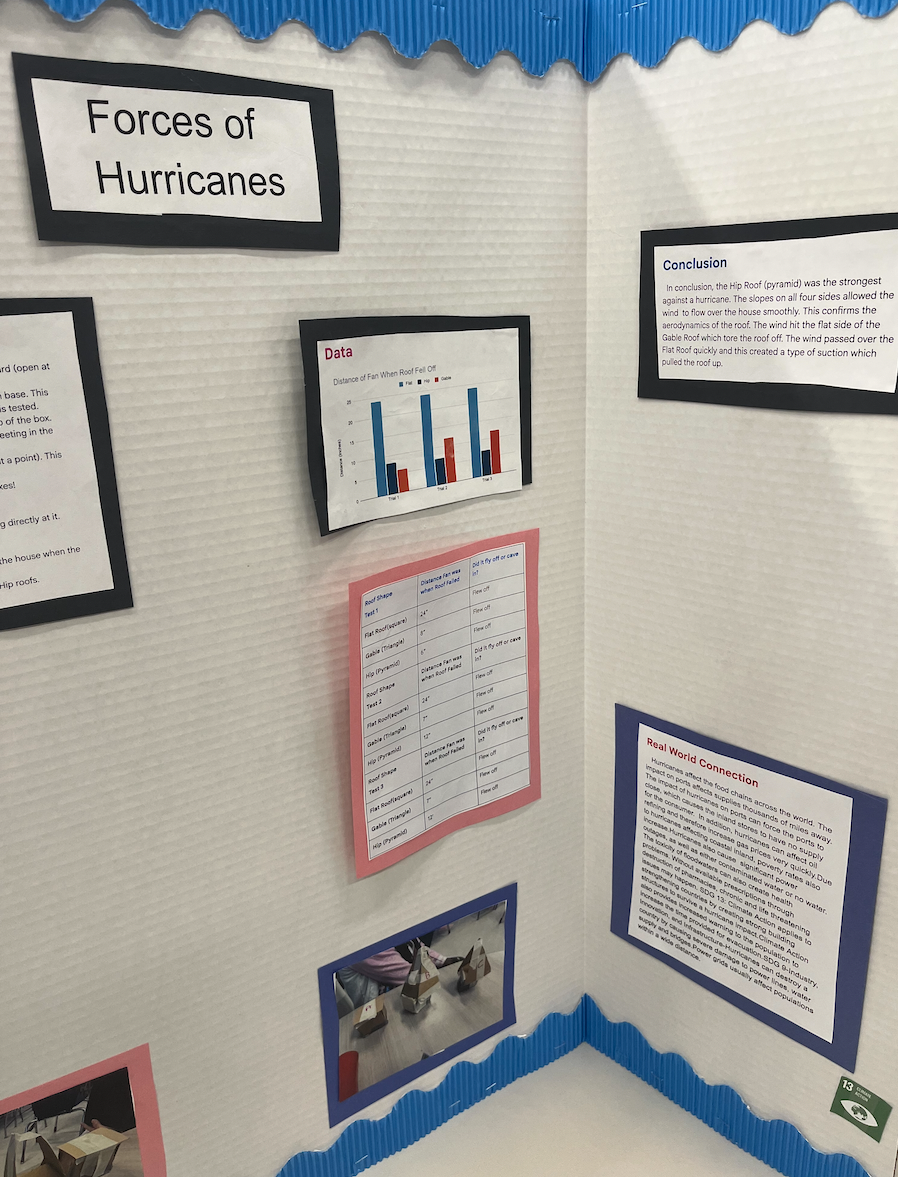
Inside the science classroom, students engaged in rigorous scientific inquiry aligned to grade-level standards. They asked questions, tested variables, collected data, and drew evidence-based conclusions.
Then, students were prompted to extend their thinking with questions like:
- Why does this matter beyond the classroom?
- Who might be affected by these findings?
- How might this connect to real-world challenges?
- Where might this kind of thinking be useful in professional fields?
Those questions transformed academic tasks into real-world problem-solving.
Career readiness became visible not because the standards changed, but because students were expected to apply their learning beyond the classroom.
From Elementary Experiments to Professional Thinking
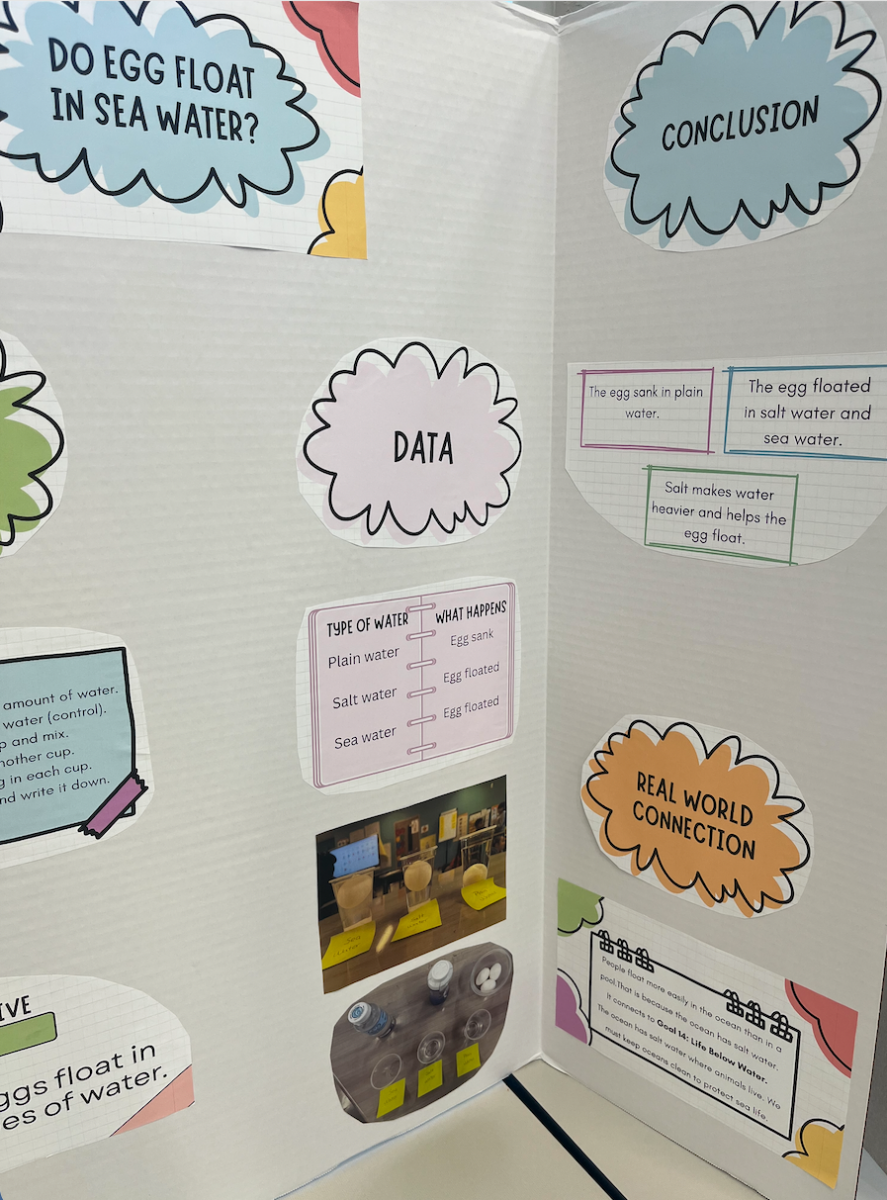
At first glance, many projects at the Melaleuca Science Expo reflect familiar elementary school science topics: testing how temperature affects materials, exploring density through floating eggs, building solar ovens.
What distinguished these investigations was not the topic, but how students extended their analysis beyond the experiment itself.
One group studying how temperature affected the bounce height of rubber balls extended their findings to infrastructure design. They discussed why materials in hotter climates must withstand extreme heat and why colder regions must account for freezing and contraction.
In doing so, students were thinking like engineers, materials scientists, and architects. They were practicing systems-level reasoning, the kind required in fields ranging from civil engineering to urban planning and construction.
Another group building solar ovens encountered cloudy weather that limited testing. Rather than treating this as a failed experiment, the teacher expanded the conversation: What happens when renewable energy sources are unavailable?
This led to a discussion on energy storage, climate variability, and backup systems. In that moment, students were strengthening curiosity and flexibility–two core global competencies–while learning to navigate constraints and trade-offs.
The lesson extended beyond solar ovens. The students began to see that real-world challenges rarely have simple solutions. They were learning to navigate the kind of complexity professionals face when solving real-world problems.
Communication as a Career-Ready Competency
The Science Expo also elevated student voice. Students recorded themselves explaining their projects and added QR codes to display boards so families who could not attend could still hear about the experiments.
By articulating their thinking publicly, students strengthened clarity, confidence, and audience awareness. The ability to communicate complex ideas clearly is foundational across professions.
Melaleuca treated communication not as an add-on, but as a core competency embedded within academic work.
A Model for Sustainable Career Readiness
School systems are being asked to prepare students for jobs that don’t yet exist–all while managing academic accountability, staffing instability, limited instructional time, and initiative fatigue.
Melaleuca offers a practical model. By embedding action-driven learning into standards-based science, the school strengthened critical thinking, problem-solving, collaboration, communication, adaptability, and real-world application all within existing instructional time. The Science Expo made visible what aligned instruction can accomplish: students applying academic learning to real-world challenges in ways that deepen rigor rather than compete with it.
Preparing students for the future is not about predicting specific careers. It is about developing learners who can analyze complexity, work across differences, communicate clearly, and adapt to change.
At Melaleuca Elementary, the shift wasn’t in the event itself. It was in the intentional design behind it—and that is a shift any school can make.
Looking to bring action-driven learning to your school? Explore how Global Leaders helps students turn understanding into meaningful action.