No one can say for certain what jobs will exist when today’s students graduate. But we do know what skills they’ll need to succeed in them.
The World Economic Forum’s Future of Jobs Report 2025 points to a growing demand for human-centered competencies such as critical thinking, communication, flexibility, and empathy. They’re the same abilities that help people make thoughtful decisions, work well with others, and respond to new challenges with confidence, regardless of the job title.
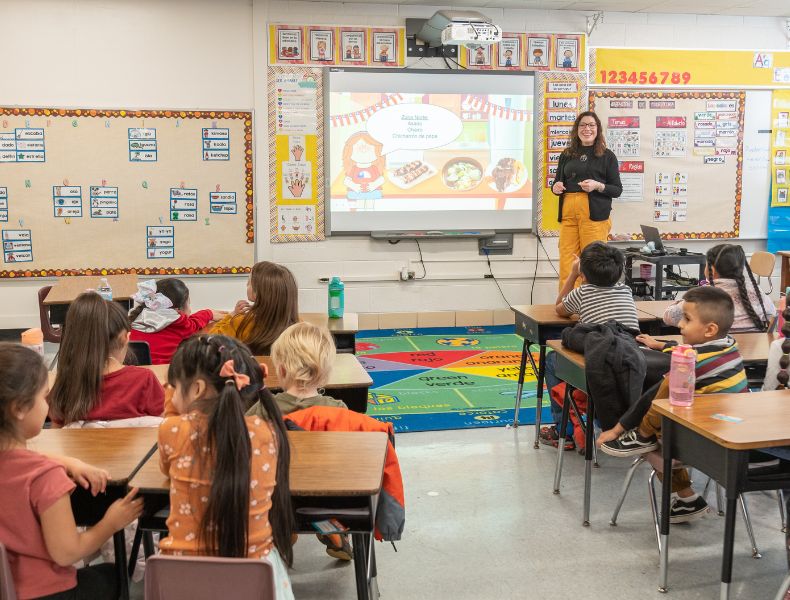
For students, these skills shape how they learn, how they approach challenges, and how they interact with the people around them. You can see them at work when a student thinks through a difficult math problem, listens carefully to a classmate’s idea, or finds the courage to speak during a group discussion.
At Participate Learning, we refer to these skills as global competencies because they prepare students not only for academic success but also for real-life challenges. We call them “global” not just because they connect to international ideas and perspectives, but because they are universal: applicable to any career path, whether that path keeps students rooted in their local community or takes them around the world.
When schools intentionally nurture global competencies, students gain tools that support academic success today and prepare them for meaningful participation in their future careers and communities.
In this article, we explore what global competencies are, why they matter for every student, and how schools can nurture them by weaving them into daily learning.
What are global competencies?

Global competencies are durable, human-centered skills that last a lifetime, empowering students to interact successfully with others and thrive in the workplace long after graduation.
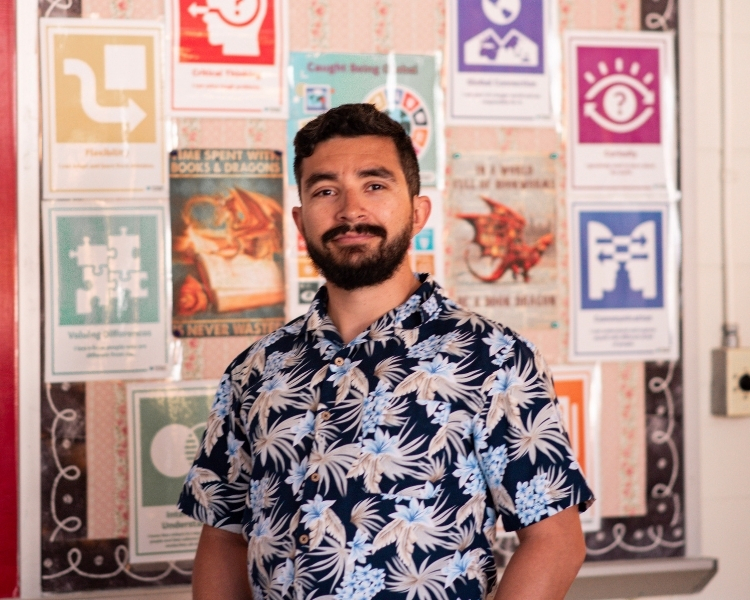
We have identified ten key global competencies that support success in school, work, and life:
- Critical thinking: I can solve tough problems.
- Communication: I can understand and express myself with different kinds of people.
- Flexibility: I can adapt and learn from mistakes.
- Self-awareness: I reflect on the people and experiences that have shaped who I am.
- Empathy: I can see things from other people’s perspectives.
- Curiosity: I genuinely want to learn about the world.
- Valuing differences: I learn from people who are different from me.
- Intercultural understanding: I understand how culture shapes people and communities.
- Global connection: I know I am part of a larger world and have a role in it.
- Understanding global issues: I can explore the causes and impacts of challenges such as health, hunger, and access to education.
Student-facing ‘I can’ statements give learners language to recognize these skills in action and see their growth as something they’re actively building.
Together, these competencies help students make sense of themselves, navigate relationships, and engage thoughtfully with the world beyond their classroom walls.
Curious about how global competencies fit into a bigger picture? Download our free ebook, “From Classroom to Career: The Global Leaders Advantage,” to explore how Participate Learning’s Global Leaders uses global competencies, action-driven learning, and global teaching practices to build career readiness.
Why global competencies matter for career readiness
Career readiness today extends far beyond knowing how to do the technical requirements of a job.
Students will enter workplaces that value collaboration, adaptability, skilled decision-making, and communication across differences. These expectations continue to grow—and become increasingly valuable—as technology and artificial intelligence (AI) transform the way work is done.
Global competencies help students prepare for this reality by strengthening those non-technical skills they will use in any career. They help students ask better questions, communicate clearly, adjust to new tools and expectations, and stay curious when faced with uncertainty. They also support students in understanding context, considering multiple viewpoints, and responding with empathy.
As AI becomes more present in learning and work, human-centered skills become more essential. Empathy, critical thinking, creativity, and curiosity cannot be automated.
When schools focus on global competencies, they help students develop these abilities with intention and care, long before they enter the workforce. That head start gives students an edge AI can’t replace once they step into an AI-shaped workforce.
How schools can nurture global competencies through daily learning
Global competencies grow through consistent practice, reflection, and supportive environments, and schools can nurture them by weaving opportunities for such growth into everyday learning.
Build a shared language between teachers and students
When teachers and students use a shared language for naming these skills, learning becomes more visible school-wide. A simple moment, such as a teacher noticing flexibility when a student adjusts a plan, shows students that growth includes how they think and interact, not just what they produce.
Choose a school-wide focus
Choosing one competency to highlight at a time gives teachers, students, and families a shared focus. Morning meetings, classroom discussions, and school-wide celebrations reinforce that focus and help students see how a skill shows up across subjects and settings.
Support teachers in designing lessons that make space for inquiry and ownership
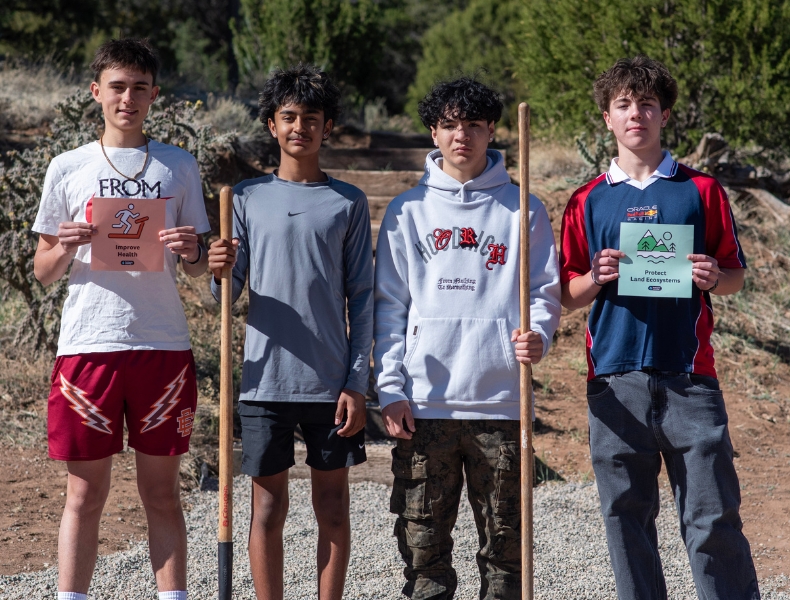
Inquiry-based lessons, reflective journaling, and student-led discussions give students room to practice curiosity, communication, and critical thinking. Action-driven learning projects let students apply these skills to real issues they care about.
Align your school’s existing priorities with global competencies
Rather than adding new initiatives, align global competencies with your school’s existing priorities, behavior systems, and school improvement goals. This strengthens the work already underway and creates a more cohesive experience for students and teachers.
Provide personalized, relevant PD that your teachers want and need
When teachers have time and support to learn together, they build confidence in recognizing global competencies in their classrooms.
Personalized professional development—like the coaching support built into Global Leaders—helps teachers connect these skills to daily conversations, reflection, and student work, so growth is easy to name and support with clarity and purpose.
Together, these practices create classrooms where students see themselves as capable thinkers, caring peers, and emerging leaders.
How global competencies show up in schools
Global competencies take root through meaningful daily experiences in which students are challenged to think critically, ask thoughtful questions, and apply what they’re learning in real-world contexts. These skills show up in ways that feel authentic and age-appropriate in schools across our network that implement Participate Learning’s global learning framework, Global Leaders.
Elmhurst Elementary: Curiosity and problem-solving in kindergarten
At Elmhurst Elementary, kindergartners noticed something many adults had learned to ignore. Spiky gumballs, fallen from sweetgum trees, covered the playground, making recess uncomfortable.
Instead of stepping around the problem, students began asking questions. Where were the gumballs coming from? Why were there so many? What could be done to help?
With guidance from their teachers, students investigated the source, talked through the impact on their classmates, and worked together to plan a cleanup. They gathered information, shared ideas, and took action to make their playground safer for everyone.
These problem-solving skills grew from a learning environment where students are regularly encouraged to observe what is happening around them, ask thoughtful questions, and think critically about real situations. As a Global Leaders school, Elmhurst prioritizes student agency and real-world learning, helping students build curiosity, confidence, and critical thinking from the earliest grades.
Helena Elementary: Leadership and initiative in action
At Helena Elementary, members of the student council noticed a growing issue across campus. Disposable water bottles were being tossed into trash cans or left behind in shared spaces. Rather than waiting for adults to step in, these students decided to take responsibility.
They talked through what they were seeing, asked questions about waste, and worked together to plan a response. Students created posters, visited classrooms to share what they had learned, and partnered with their Parent TPTA to fund refillable water bottle stations.
Their goal, aligned with the Blueprint for a Better World, was to reduce single-use plastics and encourage habits that support a healthier school environment.
Through this initiative, students practiced leadership in meaningful ways. They planned together, made decisions, and learned how to motivate others around a shared goal.
These experiences strengthened communication, collaboration, and responsibility, skills that support success in future careers and in their communities. And by tackling plastic waste, an issue affecting communities far beyond their own, students showed what global leadership looks like: taking local action on a challenge the whole world is facing.
As Helena’s principal, Sherita Fuller, puts it: “Global leadership ensures that everyone in the school community feels valued, motivated, and equipped to contribute.”
Letting students lead
While these examples look different across grade levels, students were trusted to think, reflect, and act in all of them. Their schools had already built the conditions that make that possible: a shared language grounded in global competencies, a clear focus anchored in the Blueprint for a Better World, and room for teachers to say yes to student-led ideas.
These conditions also make other school-wide achievements possible. At the school level, Elmhurst’s enrollment has held steadier than a matched comparison school since 2019, a +1.4% comparative advantage even as many nearby elementary schools have seen decline. And in Palm Beach County, FL, Global Leaders schools have seen a 10% average improvement in reducing chronic absenteeism since implementing the framework in 2022.
What makes global competencies stick
Results like these aren’t accidental. Any school can incorporate global competencies, but what leads to real, lasting impact is doing so consistently and connecting it to academic content and real-world learning.
Global competencies are a core component of Global Leaders, alongside global teaching practices and action-driven learning. Together, these elements support deeper learning and help students connect academic content to real-world experiences. Professional development, strategy coaching, and an online community of practice give Global Leaders educators the tools and support they need to integrate competencies into daily instruction.
This coordinated approach helps schools move beyond isolated efforts and build a shared culture grounded in curiosity, empathy, and thoughtful action.
Global competencies shape students’ futures
When students learn how their actions affect others and the world, they begin to see themselves as leaders. That’s why bringing global competencies into everyday learning matters—it gives students the chance to build real skills they’ll carry into any career, from working with others to solving tough problems and leading with empathy.
Not only do these skills support success in future careers and everyday life, but they also help schools create learning environments where students feel seen, valued, and capable of making a positive impact.
Want to Bring Global Learning to Your School?
Download our ebook “From Classroom to Career: The Global Leaders Advantage” to see how the Global Leaders framework connects action-driven learning to the skills, global awareness, and leadership confidence students carry into their careers.