At Heritage Middle School in North Carolina, a group of eighth graders noticed something small but important. Every morning, dozens of plastic bags from the school breakfast program were being tossed in the trash. It didn’t sit right with them, so instead of looking the other way, the students decided to take action.
What started as a simple observation turned into a student-led recycling program that grew across the school. They collected hundreds of bags, shared their concerns with school leaders, and helped spark a change in how waste was handled on campus. Along the way, they built communication, collaboration, and problem-solving skills and discovered the power of their own voices.
This is student agency in action.
Student agency is about students seeing themselves as capable, curious, and empowered, able to shape their learning and make a real impact on the world around them. When schools nurture agency, students gain confidence, motivation, and the future-ready skills they’ll carry long after they leave the classroom.
This post explores what student agency looks like and how educators can help create the conditions under which it can flourish.

What Is Student Agency?
Student agency is a learner’s ability to take action, make decisions, and influence their own learning journey. It’s students saying:
“I have ideas. I can make choices. My voice matters.”
The foundation of student agency rests on four essential elements: voice, choice, ownership, and self-efficacy. Each one plays a unique role in helping students lead their learning in meaningful ways.
Voice: Students express what they think and care about
When students are able to share their ideas, questions, and concerns, they feel respected and heard. Voice might look like:
- offering input on classroom rules,
- asking questions during a project, and
- reflecting on what matters to them.
Voice is often where agency begins, just like the Heritage students who spoke up when they noticed the growing waste problem.
Choice: Students make decisions that matter
Choice gives students options for how, what, or even when they learn. This could include choosing:
- a book for independent reading,
- a project topic, or
- a way to show what they know.
Choice doesn’t mean unlimited freedom; it means thoughtful opportunities for students to practice decision-making with support.
Ownership: Students take responsibility for learning
Ownership grows when students set goals, track progress, and reflect on their learning. When students see learning as something they’re actively shaping, not something that happens to them, their engagement deepens.
Self-efficacy: Students believe they can succeed
Self-efficacy grows through small wins, encouragement, and opportunities for students to see their efforts pay off. A student who believes “I can do this” is more likely to take risks, persist after setbacks, and stay motivated.
When these four elements come together as agency, students develop the confidence and skills to make meaningful choices in their learning—skills they’ll use throughout their lives.
At Heritage, students demonstrated all four:
- Voice: They expressed concerns about plastic waste.
- Choice: They designed their own recycling system.
- Ownership: They led the program themselves.
- Self-efficacy: They saw tangible results from their efforts.
Their journey shows the power of authentic agency and the growth that happens when teachers trust students to lead.
Student Agency vs. Voice and Choice: How They Work Together
Voice and choice play important roles in learning, but agency goes deeper.
A student can have voice, like sharing an opinion, without influencing what happens next. A student can have choice, like picking a book or project, without feeling empowered to act on what they care about.
Agency is when students use their voice, make meaningful choices, take ownership, and believe in their ability to make an impact. It’s the difference between noticing a problem (voice) and designing a solution (agency).
Understanding how voice, choice, and agency intersect helps teachers design experiences in which students:
- ask questions that matter to them,
- lead parts of their learning,
- reflect on their progress, and
- see the impact of their actions.
How Student Agency Grows from Elementary to High School
Student agency doesn’t appear all at once; it grows as students do. Here’s how it typically develops across grade levels.
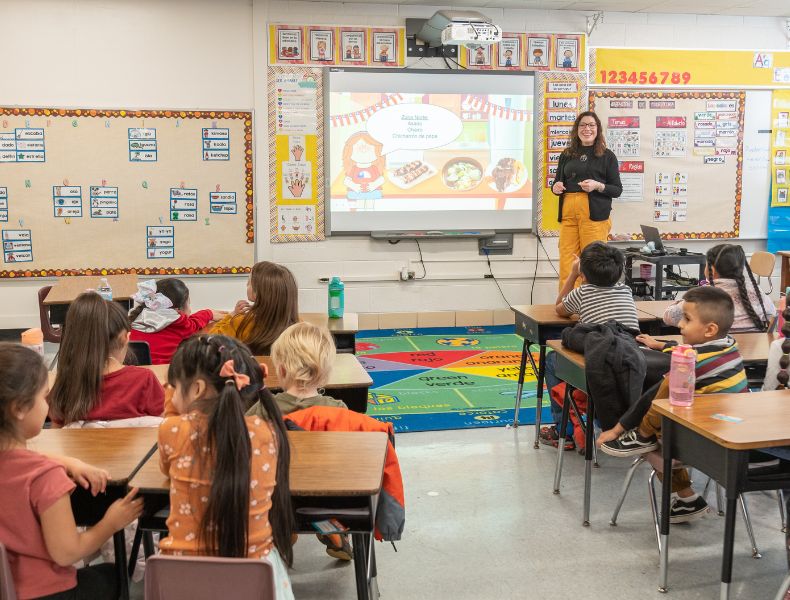
Elementary school: Small choices that build ownership
Agency begins with simple, structured opportunities that let students see that their decisions matter. Students might:
- pick a book and explain why it’s the right fit for their learning goal,
- choose tools for a STEM activity and test which ones help them solve a problem, or
- reflect on what helps them focus and adjust their workspaces or routines as a result.
Teachers model decision-making, encourage reflection, and help students connect their choices to outcomes. These small moments of ownership build this belief: “My actions influence what happens next.”
Middle school: More independence, collaboration, and problem-solving
Middle schoolers are ready for greater autonomy and responsibility. They may:
- co-create rubrics that shape how success is defined,
- lead parts of group projects for which decisions affect the final outcome, or
- give and receive feedback that guides peers’ next steps.
Heritage’s recycling initiative is a strong example of agency in action. Students identified a need, designed systems, communicated with others, and solved challenges along the way—demonstrating ownership, persistence, and real problem-solving.
High school: Real-world impact and purposeful direction
As students mature, their agency becomes more self-directed and tied to their future goals. High schoolers often:
- pursue internships they’ve sought out because they align with personal interests,
- lead passion projects from initial idea to implementation,
- conduct independent research based on questions they generate,
- advocate for change that they believe will improve their school or community, and
- take on leadership roles in which their decisions shape outcomes for others
Teachers serve as mentors, helping students reflect, set goals, and connect their decisions to the impact they want to make in the world.
Across all stages, the goal is the same: helping students see themselves as capable leaders in learning and in life.
The Skills Behind Student Agency
For students to take initiative and lead their learning, they need strong cognitive and social skills. These durable skills—what we also call global competencies—help students thrive in school, in their future careers, and in life. They grow through practice, reflection, and supportive guidance.
Cognitive skills: How students manage their learning
Students benefit from skills like:
- self-regulation: staying focused and managing emotions;
- reflection: thinking about what’s working and what’s not; and
- goal-setting: identifying what they want to achieve and how to get there.
Teachers can nurture these skills by modeling reflection and helping students break goals into small steps.
Social skills: How students work with others
Agency also relies heavily on interpersonal skills:
- Listening actively
- Sharing ideas respectfully
- Resolving conflicts
- Considering others’ perspectives
When students feel heard and learn to collaborate, they gain the tools to succeed in school, their careers, and their communities.
The Heritage recycling project brought these skills to life as students planned, communicated, adapted, and collaborated.
Practical Ways to Build Student Agency in Your School
Here are simple ways educators can nurture student agency at any grade level.
1. Start with student interests and curiosity.
Students naturally observe the world around them. Invite them to share:
- Questions
- Interests
- Concerns
- Wonderings
Use these sparks to fuel projects that connect local observations to global challenges like food waste, clean water, or community safety. Making these connections to global and local challenges empowers students to explore their questions and find solutions through their learning.
2. Give students meaningful choices in how they demonstrate learning.
Ask students to reflect on how they like to learn. Do they like to read, listen to audio, watch videos, etc.? Once students recognize how they learn best, they can choose a way to demonstrate their learning that truly reflects their strengths and creativity.
Offer different choices in format—such as video, essay, model, podcast, or presentation—provide models, set clear expectations, and allow room for creativity.
3. Help students understand their strengths and growth areas.
Self-awareness lays the foundation for student agency by helping learners recognize what supports their success and where they want to grow next. You can help students build this foundation by supporting them to:
- reflect on their strengths,
- identify their growth areas,
- set personal goals, and
- revisit those goals regularly.
Self-awareness builds confidence and helps students take ownership of their learning. When students take time to notice what helps them thrive—whether it’s a quiet space, a hands-on task, or working with a partner—they begin to understand what they need to do their best work.
Frequently Asked Questions
How do I balance student choice with curriculum requirements?
Student agency doesn’t mean abandoning standards or curriculum goals. Instead, offer choices within clear boundaries. Students can choose how they research a required topic or how they present their understanding while staying aligned with standards.
How can I tell if students are developing agency?
Look for signs like students asking thoughtful questions, setting goals, seeking feedback, and taking responsibility for their learning. You might also notice students being more engaged, demonstrating a willingness to take on challenges, and advocating for their learning needs.
What if some students struggle with increased autonomy?
Start small. Some students need more guidance at first as they develop self-direction skills. Offer scaffolding and gradually increase opportunities for choice, releasing responsibility as students build confidence.
Empowering Students to Lead Their Learning and Their Future
The students at Heritage Middle School went beyond reducing plastic waste. They discovered their capacity to lead and influence change. Their story shows the heart of student agency: Helping learners see themselves as capable of shaping their world, one idea and one action at a time.
When schools nurture agency, they create conditions for deeper engagement, stronger relationships, and lasting impact. Students feel more connected, confident, and ready to take on challenges. They build competencies like curiosity, empathy, collaboration, and reflection that will serve them throughout school and into their future careers.
Whether your students are just beginning to explore independence or are ready for complex problem-solving, the path to agency starts with intentional, student-centered teaching. And with the right support, every school can build a culture in which learners feel empowered to take action and lead their own success.
If your school is ready to strengthen student agency, build durable skills, and stand out in a competitive landscape, our white paper From the Inside Out shares data-driven insights to guide your next steps.