What are classroom strategies for global competence?
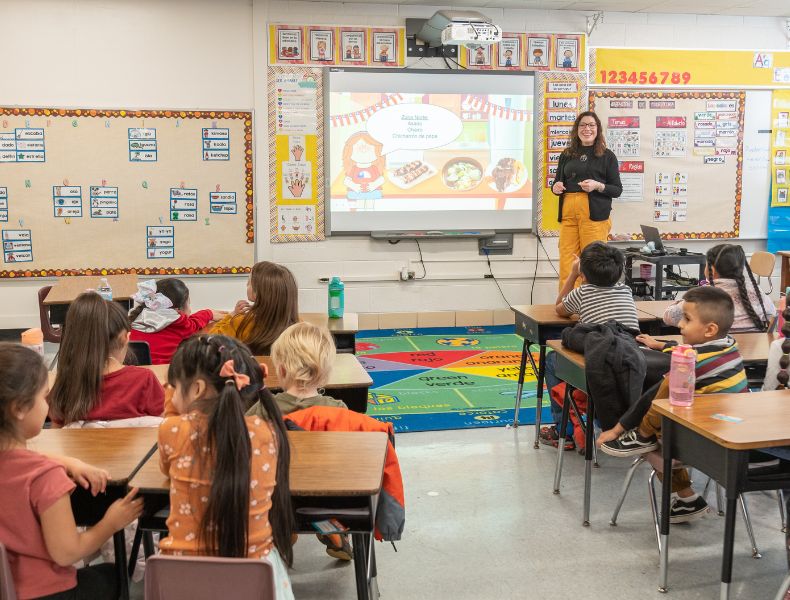
A student leans forward in their chair, eagerly waiting their turn to speak. Across the room, another student hesitates, then raises their hand anyway.
On the surface this might look like a typical classroom moment, but it’s also practice for something much bigger. Practice in listening, responding, questioning, and adjusting in real time.
These small moments ripple far beyond a single class meeting, because they’re the moments when career readiness begins to take shape. Over time, these are the skills students carry with them long after they’ve graduated, and long after they’ve forgotten the content of a lesson, whether it’s the name of a Shakespearean villain or Newton’s laws of motion.
And these moments don’t happen by accident. They’re shaped by the classroom strategies teachers use every day.
When we talk about classroom strategies for global competence, we’re really talking about those choices—the specific instructional moves teachers use that help students:
- Connect what they’re learning to the real world
- Hear and consider different perspectives
- Work with other people
- Use what they know
These strategies are how students build the skills most often associated with career readiness, including communication, collaboration, critical thinking, and adaptability.
In this article:
- Why classroom strategies for global competence matter for career readiness
- How global education builds career-ready skills
- The three elements of global learning
- 5 classroom strategies for global competence and career readiness
- Why these classroom strategies matter
- From classroom strategy to long-term student impact
- FAQ
Why classroom strategies for global competence matter for career readiness

Today’s students will enter a workforce that spans borders, time zones, and cultures. Employers continue to name skills like communication, collaboration, adaptability, and critical thinking as essential. At Participate Learning, we call this set of skills global competencies.
What’s often missing from conversations about career readiness is a clear answer to a practical question: What does it actually look like to build those skills in a classroom in a way that’s integrated into daily instruction?
Classroom strategies for global competence provide that answer. They create daily, repeatable opportunities for students to practice these skills through meaningful, connected learning experiences, not as something extra, but as part of how learning already happens.
This article breaks down the classroom strategies that build global competence, the framework behind them, and what they look like in practice across grade levels and subjects.
How global education builds career-ready skills
At Participate Learning, we see global education as one of the most effective ways to prepare students for life beyond school and to build global competence.
Global education is not a single program or approach. It can take many forms, including cultural exchange, dual language programs, and global learning. What these methods share is a focus on helping students develop the skills they will need to communicate, collaborate, and contribute in a complex, interconnected world.
In this article, we focus on global learning.
Global learning is the process through which students:
- Explore real issues
- Apply what they’re learning in meaningful ways
- Take action to create real change
- Practice the career readiness skills they’ll need beyond school
Global learning is effective because it gives students consistent opportunities to apply what they are learning in real-world contexts.
The three elements of global learning
To understand how classroom strategies lead to career readiness, it helps to look at the structure behind global learning.
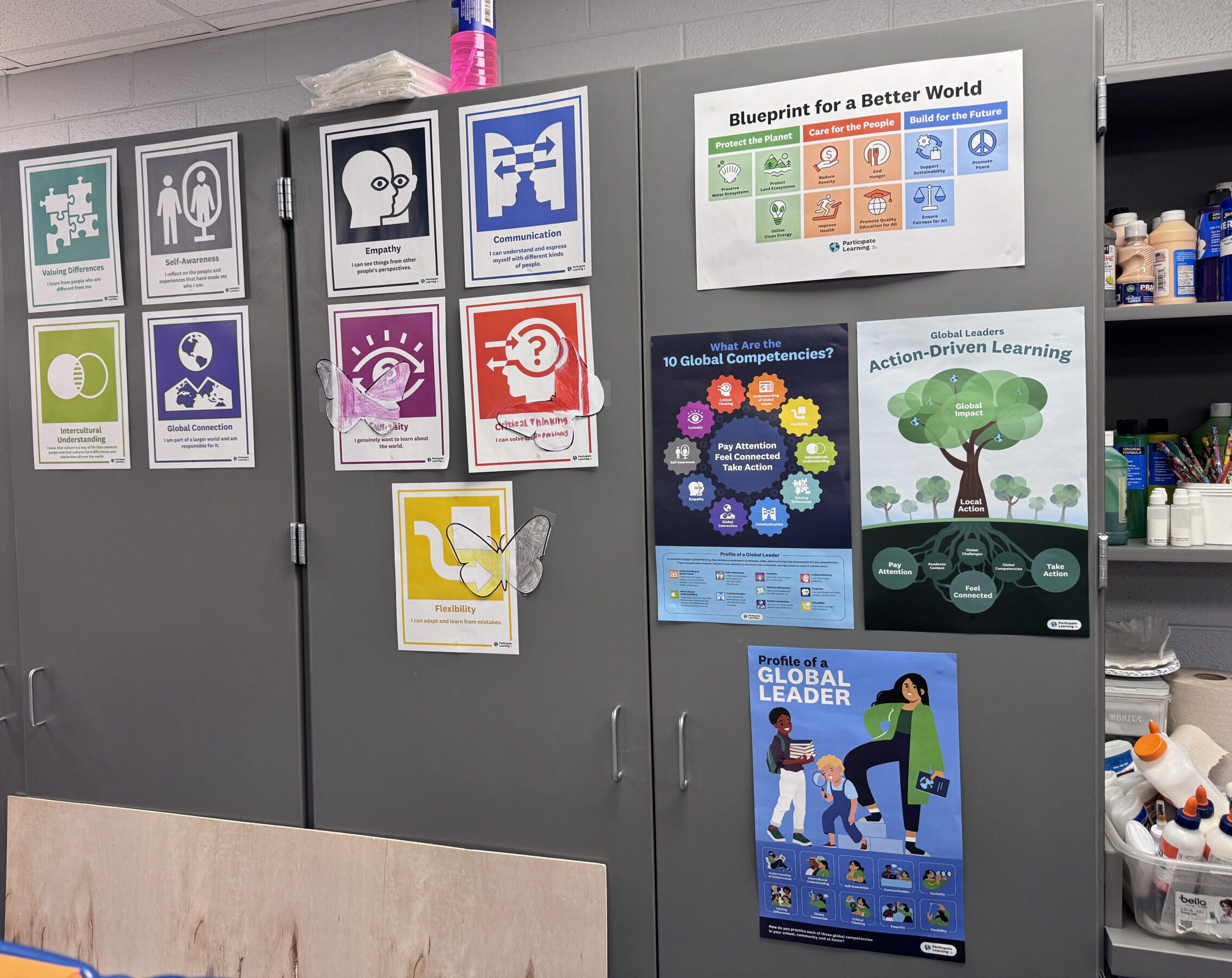
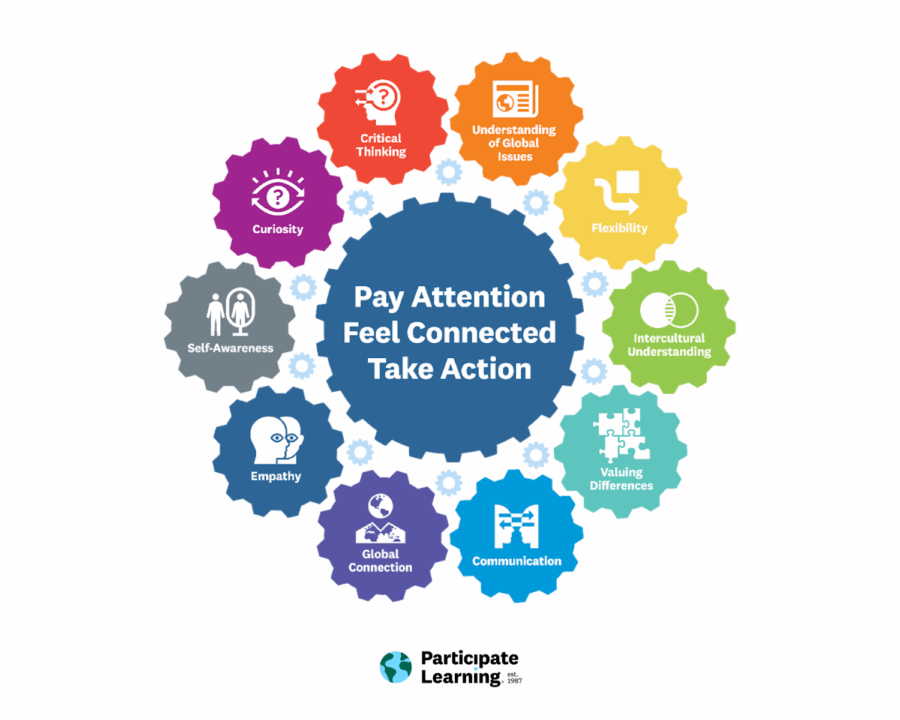
Global learning works through three connected elements, each with a distinct role:
1. Global competencies: what students build
Global competencies are the durable, human-centered skills students develop over time. These include:
- Communication
- Collaboration
- Critical thinking
- Adaptability
- Empathy and perspective-taking
These are the same skills employers identify as essential for career readiness.
2. Global teaching practices: how learning is designed
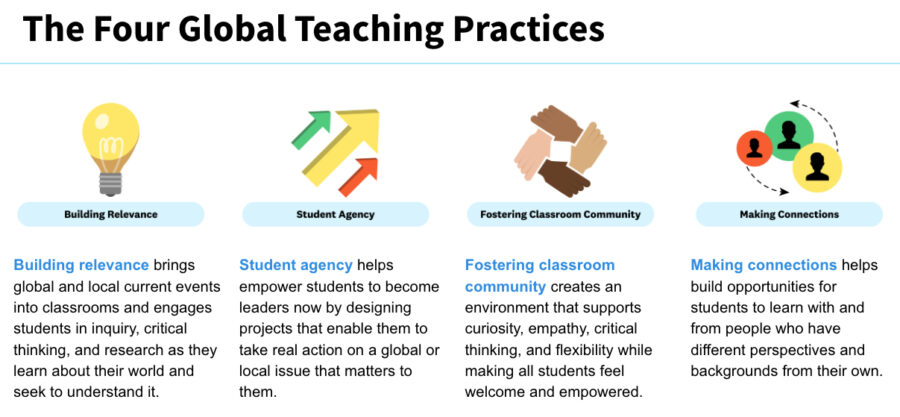
Global teaching practices are the instructional priorities that shape learning design. They focus on:
- Building relevance so learning connects to real-world issues
- Making connections across contexts, cultures, and ideas
- Supporting student agency so students take ownership of learning
- Fostering classroom community through collaboration and dialogue
3. Action-driven learning: how students apply what they know
Action-driven learning is where skills become visible.
Students don’t just learn about an academic topic—they:
- Investigate real issues
- Explore solutions
- Collaborate and communicate
- Take meaningful action
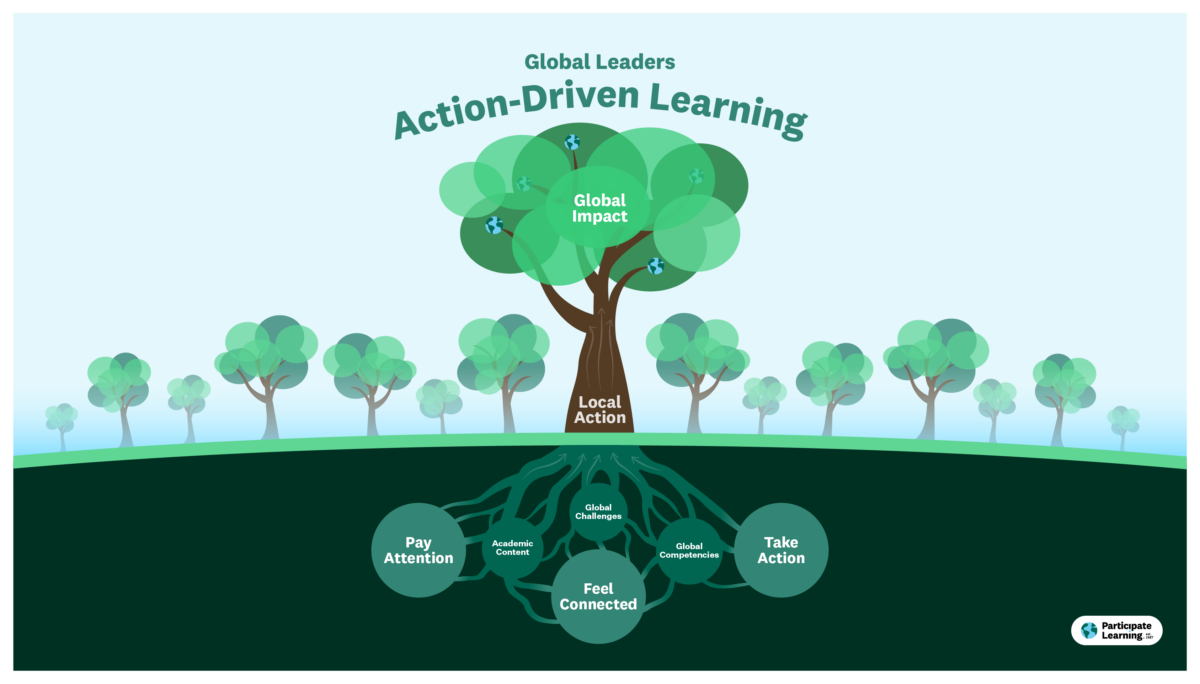
Together, these three elements explain how classroom instruction builds global competence and career-ready skills as teachers translate this framework into daily instruction and student experiences.
5 classroom strategies for global competence and career readiness
Global learning does not happen through a single lesson or activity. Instead, it becomes visible through the daily teaching strategies educators use to design learning, engage students, and connect content to the world beyond school.
1. Connecting learning to real-world contexts
One of the most effective classroom strategies for global competence is to ground learning in real-world contexts. When students see how content connects to real people and real challenges, engagement and understanding deepen.
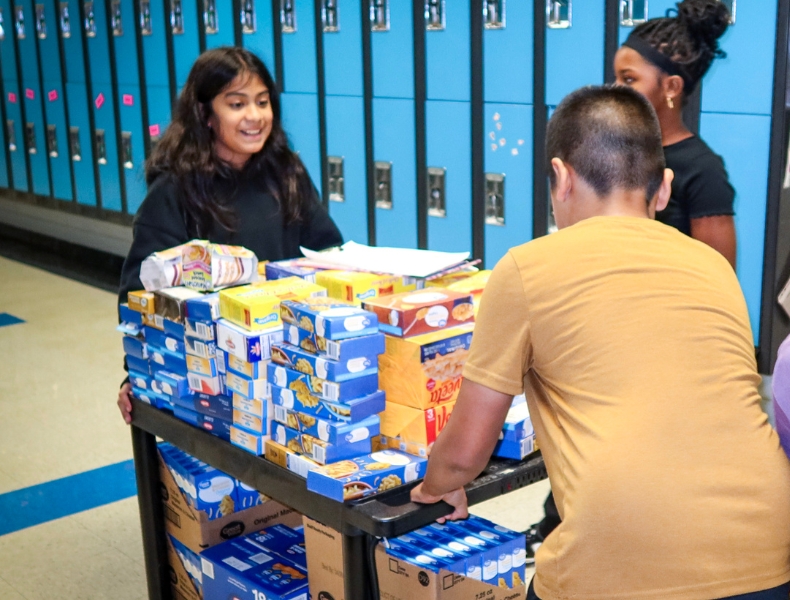
At E. M. Yoder Elementary in Mebane, North Carolina, the annual holiday food drive became the starting point for a broader exploration of global hunger. Students read Maddi’s Fridge, then began asking questions about food insecurity, access, and fairness. Their learning extended beyond the text as they partnered with a local organization to understand community needs and collected over 3,000 nonperishable food items, nearly doubling the previous year’s total.
This is what connecting learning to the real world looks like in practice. You can see it in every donated peanut butter jar, soup can, and pasta box as students bridge their learning to real needs in their community.
Skills built: critical thinking, empathy, communication
Aligned practice: building relevance
2. Designing learning around multiple perspectives
Global competence requires students to understand that issues, ideas, and experiences are shaped by context and can be viewed in different ways.
This strategy helps students compare perspectives, analyze differences, and make connections.
In a third-grade classroom at Stanfield Elementary (Stanfield, NC), students explored agriculture by examining how food systems vary across the world. They studied crops, climates, and farming practices in different regions, then connected that learning to a visit to a local high school agriculture program.
Students moved between global and local perspectives, asking:
- Why do systems differ?
- How does context shape outcomes?
Skills built: perspective-taking, curiosity, analytical thinking
Aligned practice: making connections

3. Creating space for student voice and choice
When students have opportunities to shape their learning, they begin to see themselves as active participants rather than passive recipients.
This strategy creates space for students to ask questions, make decisions, and take ownership of how they engage with content.
At Heritage Middle School in Valdese, North Carolina, a student’s observation about plastic waste in the cafeteria led to a deeper investigation into sustainability. Across subjects and grades, students researched the issue, shared findings, and worked toward solutions within their school community.
What began as a simple observation became sustained, student-driven learning with real impact.
Skills built: agency, collaboration, problem-solving
Aligned practice: supporting student agency

4. Using inquiry and project-based learning
Inquiry- and project-based learning give students the opportunity to explore questions over time. Instead of completing isolated tasks, students:
- Investigate
- Analyze
- Apply knowledge in new contexts
Across subjects and grade levels, this can look different.
In a high school science class, students might analyze data on access to clean water in different countries, compare it to local water sources, and investigate how geography, infrastructure, and policy impact availability.
In a middle school math class, students might work with real-world datasets, such as animal migration patterns, to identify trends, ask questions, and interpret what the data reveals.
In English, students might read texts and explore how a story changes depending on who is telling it, comparing experiences and perspectives.
At Heritage Middle School (previously mentioned above), students researched environmental sustainability and responsible consumption, then partnered with a local recycling company to repurpose the plastic bags into outdoor lumber while simultaneously eliminating single-use plastics from meals districtwide. In doing so, they:
- Identified and investigated a challenge impacting their community
- Analyzed what they learned about recycling, sustainability, and waste management
- Applied their knowledge to create meaningful change in their school, across their district, and in the reclaimed materials industry
In each case, students are doing more than learning content—they are using it.
Skills built: critical thinking, curiosity, transfer of learning
Aligned practice: action-driven learning
5. Building in reflection, discussion, and collaboration
Learning deepens when students have time to reflect, discuss, and collaborate.
This strategy ensures that students are not only completing tasks, but also processing their thinking, listening to others, and refining their ideas.
In classrooms that prioritize collaboration and dialogue, including dual language classrooms and those with international educators, students regularly engage across languages and perspectives. They learn to listen closely, respond thoughtfully, and adjust how they communicate depending on their audience.
Over time, these repeated interactions strengthen how students communicate and collaborate.
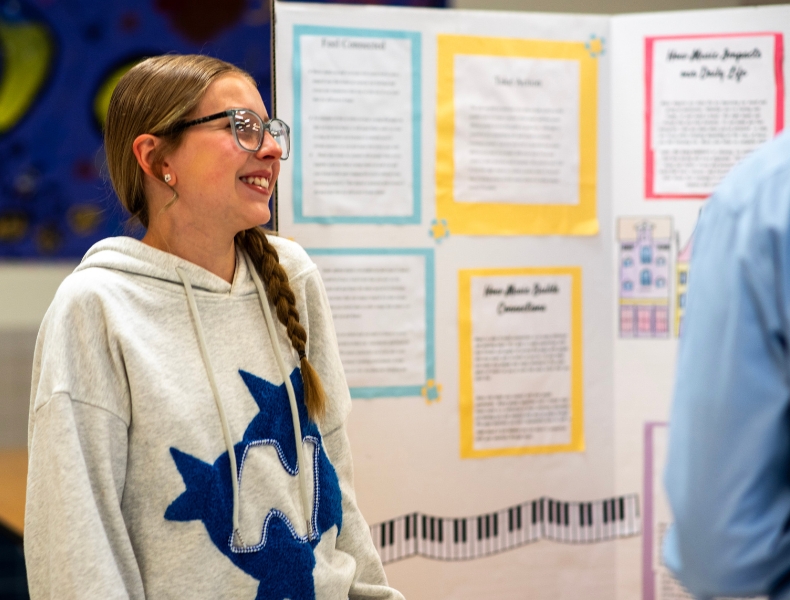
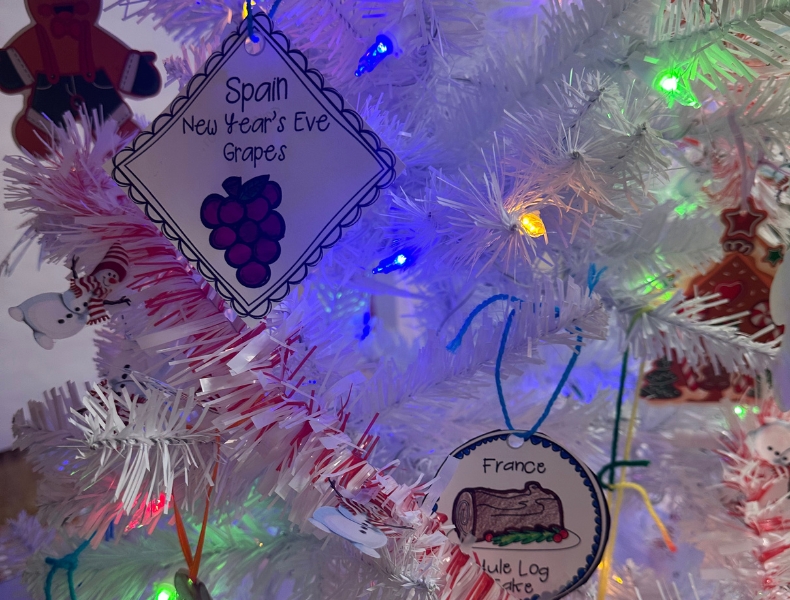
At Hidden Oaks K–8 (Palm Beach, FL), when students researched global traditions, created displays, and shared their learning with others, a holiday project became a powerful example of how intentional opportunities for reflection, discussion, and collaboration help students deepen their understanding and strengthen their ability to communicate across cultures.
Skills built: communication, empathy, adaptability
Aligned practice: fostering classroom community
Why these classroom strategies matter
These classroom strategies for global competence do more than improve a single lesson. Together, they shape classrooms where:
- Learning feels relevant
- Ideas connect across contexts
- Students have a voice
- Collaboration is expected
- Thinking is visible
These are the conditions where global competence develops. They are also how career readiness becomes real.
From classroom strategy to long-term student impact
When classroom strategies for global competence are used consistently, they shape how students experience learning.
Students begin to:
- Use their voice with confidence
- Engage thoughtfully with others
- Connect learning to real-world challenges
Over time, these repeated experiences shape how students think, communicate, and act.
That is the long-term impact of classroom strategies: they don’t just prepare students for the next lesson, but they also prepare them for the complexity of life, work, and a global future.
FAQ
What are classroom strategies for global competence?
Classroom strategies for global competence are instructional moves teachers use to help students connect learning to real-world contexts, engage with multiple perspectives, collaborate with others, and apply their thinking in meaningful ways.
What are examples of classroom strategies for global competence?
Examples include connecting learning to real-world issues, incorporating multiple perspectives, supporting student voice and choice, using inquiry-based learning, and building in collaboration and reflection.
How do classroom strategies support career readiness?
They give students repeated opportunities to practice communication, collaboration, critical thinking, adaptability, and problem-solving through daily instruction.
What is the difference between global education and global learning?
Global education is the broader approach to preparing students for a connected world. Global learning is how that approach shows up in classrooms through experiences that connect academic content to real-world challenges.
Can global learning be used in dual language or cultural exchange programs?
Yes. Global learning can be integrated into dual language programs, cultural exchange initiatives, and other instructional models.
What are global teaching practices?
They are the instructional decisions teachers make to design learning that is relevant, connected, student-centered, and collaborative.
What does action-driven learning look like in the classroom?
Action-driven learning happens when students use what they are learning to investigate real issues, explore solutions, communicate ideas, and take meaningful action in response to the world around them.
Can these strategies be used across grade levels and subjects?
Yes. These strategies can be used across grade levels and in many subject areas, including science, math, English, and social studies, because they focus on how students learn, not just what content they study.
Bring global learning to life in your classroom
Browse more classroom strategies designed to develop global competence across grade levels and subjects.
Transforming Education Through Language Immersion and Global Learning in Pitt County Schools
How to Teach Communication Skills in K–12: Activities and Strategies
From Classroom to Career: The Global Leaders Advantage